Comprehensive Guide to Risk Reducing Salpingo-Oophorectomy: A Vital Preventive Measure in Women's Health
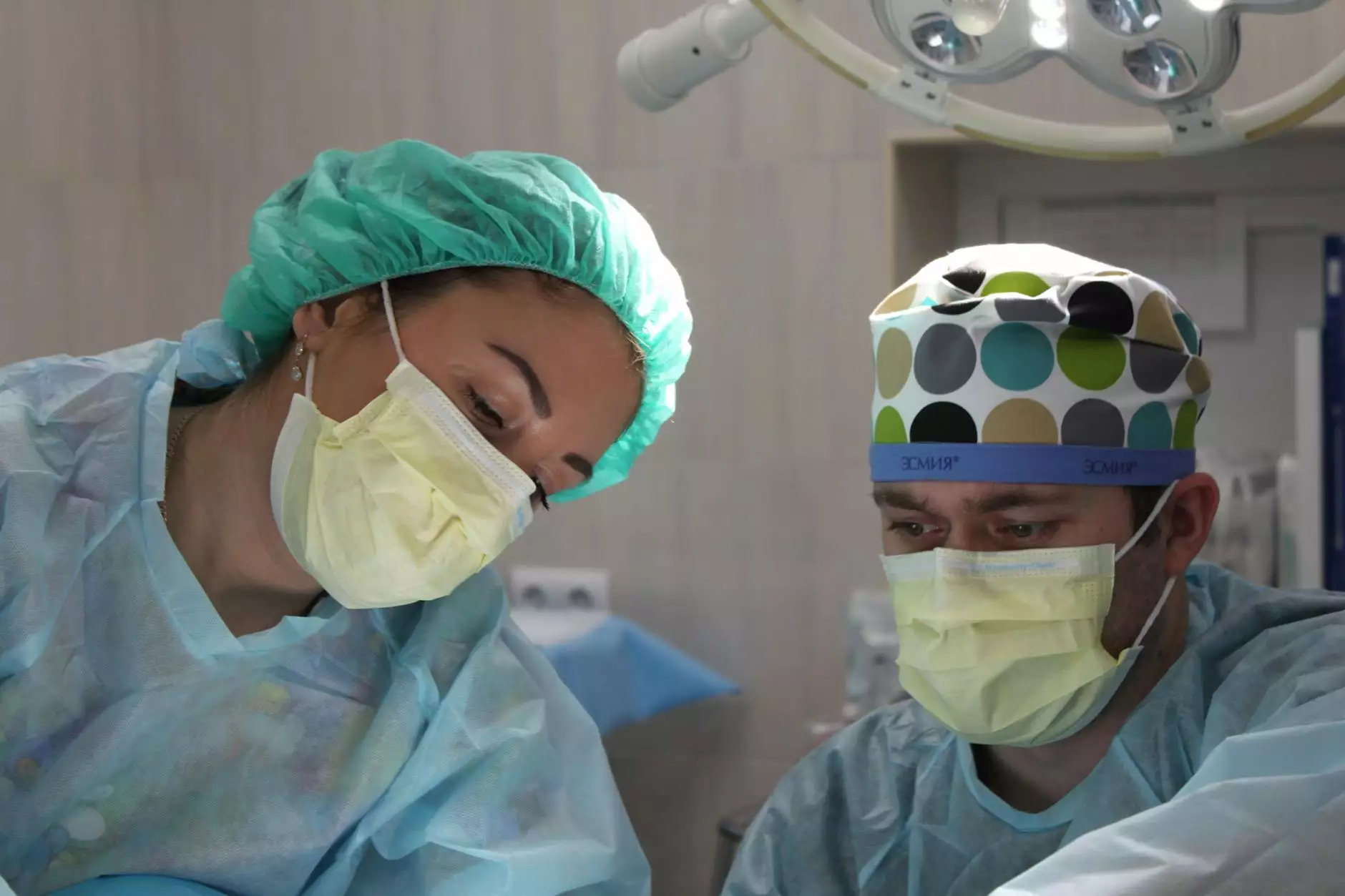
In today's rapidly advancing medical landscape, women increasingly seek proactive measures to safeguard their health and well-being. Among these, risk reducing salpingo-oophorectomy has emerged as a pivotal surgical intervention—designed not just to treat existing conditions but to prevent potential future health risks, especially related to ovarian and fallopian tube cancers. This comprehensive guide will explore all facets of this significant procedure, empowering women with knowledge to make informed health decisions with the trusted expertise of the leading obstetricians & gynecologists at drseckin.com.
Understanding Risk Reducing Salpingo-Oophorectomy: An Essential Preventive Strategy
Risk reducing salpingo-oophorectomy is a surgical procedure involving the removal of the ovaries and fallopian tubes. It is primarily performed on women who have a high genetic predisposition to ovarian, fallopian tube, or related cancers, or those who are at elevated risk due to specific hereditary syndromes. The goal of this procedure is to significantly lower the risk of developing these types of cancers, which can often be diagnosed at an advanced stage, thus improving overall survival rates.
This operation is distinct from treatment procedures intended for women already diagnosed with cancer; instead, it is a preventative, or prophylactic, intervention tailored to high-risk groups. When performed wisely and timely, it can be a life-altering step toward long-term health preservation.
The Science Behind Risk Reducing Salpingo-Oophorectomy
The Link Between Genetics and Ovarian Cancers
Research indicates that approximately 10-15% of ovarian cancers are linked to inherited genetic mutations. The most prominent among these are the BRCA1 and BRCA2 gene mutations, which drastically increase the risk of ovarian and breast cancers. Women with a family history of these cancers or confirmed genetic mutations are advised to consider preventive strategies, including risk reducing salpingo-oophorectomy.
Mechanism of Risk Reduction
By surgically removing the tissues most susceptible to malignancies, the procedure effectively disrupts the pathway to cancer development. It narrows the tissue reservoirs where malignant transformations may occur, thus drastically reducing the likelihood or delaying the onset of associated cancers. Extensive studies have demonstrated that when performed in appropriate candidates, this operation can cut ovarian cancer risk by approximately 80-95%.
Who Are Ideal Candidates for Risk Reducing Salpingo-Oophorectomy?
While the decision to undergo this preventive surgery depends heavily on individualized risk factors, certain groups are strongly advised to consider it:
- Women with BRCA1 or BRCA2 gene mutations: These genetic markers confer a significant lifetime risk of ovarian and other related cancers.
- Women with a strong family history of ovarian, fallopian tube, or hereditary breast and ovarian cancers: Family history can heighten risk, making preventive measures crucial.
- Women diagnosed with hereditary cancer syndromes: Such as Lynch syndrome and other genetic conditions linked to gynecological cancers.
- Women over the age of 35-40 with high-risk profiles: Timing is essential; discussion with healthcare professionals should guide the optimal age for surgery to balance benefits and quality of life.
The Surgical Procedure: What to Expect
Preoperative Assessments and Counseling
Before proceeding with risk reducing salpingo-oophorectomy, women undergo comprehensive evaluations including genetic counseling, imaging studies, blood tests, and thorough discussions about the procedure's risks, benefits, and potential impacts on hormonal health.
Step-by-Step Surgical Process
The procedure is typically performed via minimally invasive laparoscopic techniques, which involve small incisions and offer benefits like reduced pain, shorter hospital stays, and quicker recoveries. Key steps include:
- General anesthesia administration to ensure patient comfort.
- Creation of small access points in the abdomen for the laparoscope and instruments.
- Visualization of the pelvic organs utilizing high-definition cameras.
- Careful dissection and removal of both fallopian tubes and ovaries.
- Ensuring hemostasis, closing incisions, and postoperative monitoring.
Postoperative Care and Recovery
Following surgery, most women experience minimal discomfort, with a typical recovery period of one to two weeks. Important postoperative considerations include hormonal management, screening for complications, and follow-up consultations to monitor overall health and well-being.
Benefits of Early Prevention with Risk Reducing Salpingo-Oophorectomy
Implementing this preventive surgery at the right time offers numerous advantages:
- Significant reduction in ovarian and fallopian tube cancer risk, leading to increased longevity.
- Potentially lower risk of other cancers, including breast cancer in hereditary mutation carriers.
- Psychological reassurance, alleviating anxiety related to genetic cancer risks.
- Enhanced quality of life, by potentially avoiding aggressive cancer treatments in the future.
Potential Risks and Considerations
Although risk reducing salpingo-oophorectomy is generally safe, it carries inherent surgical and hormonal risks:
- Hormonal changes leading to menopause symptoms like hot flashes, vaginal dryness, and mood swings, especially if performed before natural menopause.
- Potential surgical complications, including bleeding, infections, or injury to nearby organs.
- Emotional and psychological effects of losing fertility, which should be discussed during preoperative counseling.
Healthcare professionals, particularly experienced obstetricians & gynecologists at DrSeckin.com, guide women through weighing these factors to arrive at an optimal decision aligned with personal health goals.
Why Choose Experienced Obstetricians & Gynecologists at DrSeckin.com?
Performing risk reducing salpingo-oophorectomy requires surgical precision, hormonal management expertise, and compassionate patient care. The expert team at DrSeckin.com prides itself on:
- Up-to-date knowledge of genetic and surgical advancements, ensuring state-of-the-art care.
- Personalized treatment plans, tailored to each woman's risk profile, age, and health status.
- Comprehensive preoperative counseling, addressing all concerns about the procedure and aftermath.
- Postoperative support and hormonal management, helping women adapt to life changes post-surgery.
- Commitment to patient safety, comfort, and satisfaction.
Empowerment Through Education and Preventive Action
A proactive approach in women’s health, particularly through procedures like risk reducing salpingo-oophorectomy, has the power to transform lives. Awareness, timely intervention, and professional guidance are the cornerstones of effective prevention. By partnering with experienced specialists at drseckin.com, women can take control of their health destiny and reduce the burden of hereditary gynecological cancers.
Final Thoughts: Making Informed Decisions for a Healthier Future
In conclusion, risk reducing salpingo-oophorectomy is a valuable preventive option for women with high genetic or familial risk factors. Its success hinges on early identification, appropriate timing, and expert surgical execution—roles expertly fulfilled by the dedicated team of obstetricians & gynecologists at DrSeckin.com. Women considering this procedure should engage in thorough discussions with their healthcare providers to understand all associated aspects, ensuring choices that best serve their health, longevity, and quality of life.
Remember, taking proactive steps today can safeguard your future health. Trust in expert care and stay informed—your well-being is worth it.
risk reducing salpingo oophorectomy