Unlocking Business Excellence in Shipping Centers, Transportation, and Airports
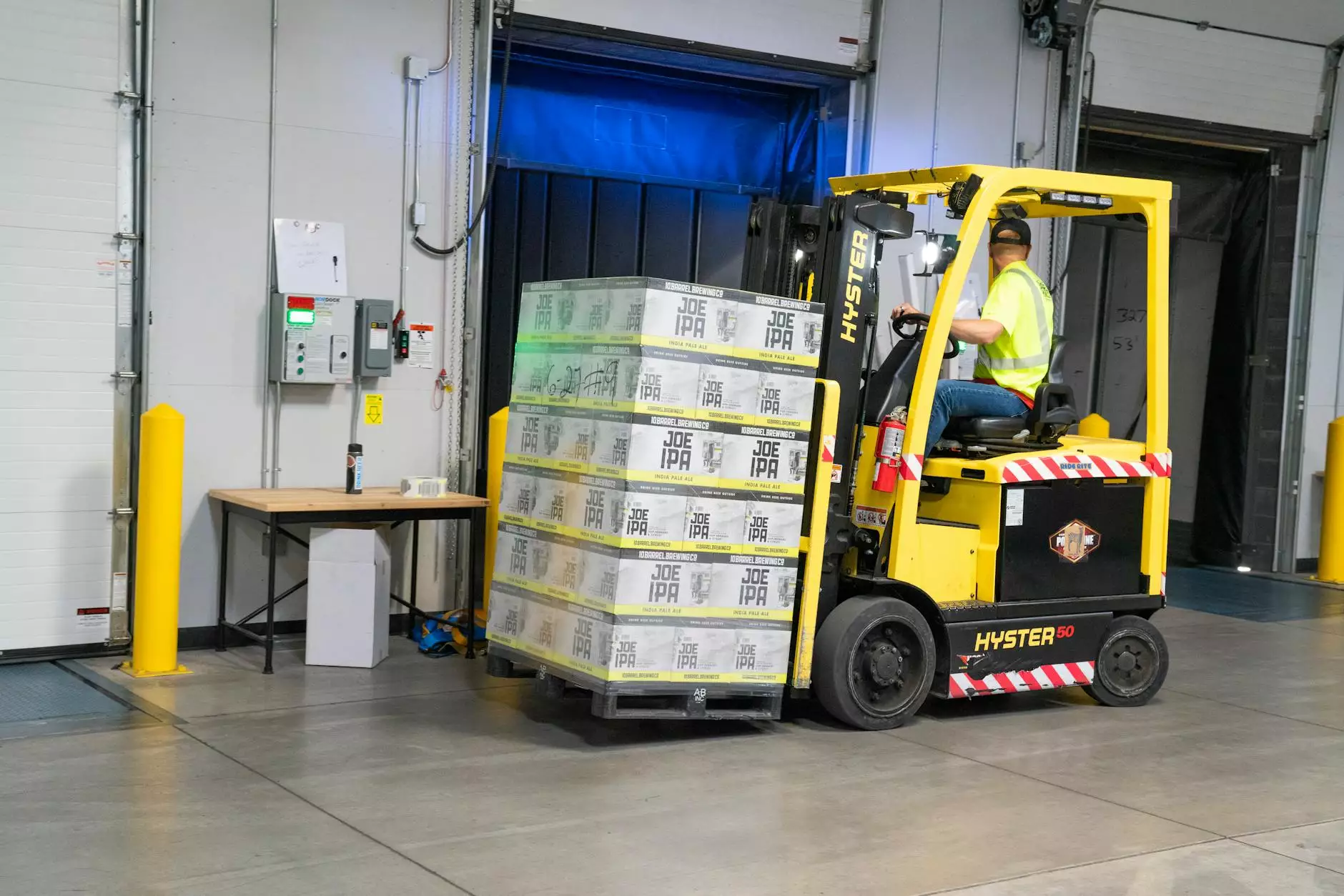
In today's rapidly evolving global economy, the logistics and transportation industry stand as the backbone of international commerce. Businesses that excel in managing their shipping centers, transportation networks, and airport logistics not only boost their operational efficiency but also gain a significant competitive advantage. This comprehensive guide delves into the critical aspects of business success within these sectors, emphasizing the importance of understanding international air freight charges, optimizing logistics, and leveraging modern transportation technologies to elevate your enterprise to new heights.
Understanding the Integral Role of Shipping Centers in Business Growth
Shipping centers, often referred to as distribution hubs or logistics centers, are the pivotal nodes through which goods are received, processed, and dispatched. Effective management of these centers can dramatically influence delivery times, cost management, and customer satisfaction.
The Strategic Importance of Shipping Centers
- Enhancing Supply Chain Efficiency: Well-organized shipping centers streamline operations, reduce delays, and improve inventory turnover rates.
- Cost Reduction: Centralized handling minimizes transportation costs and helps negotiate better rates with carriers.
- Improved Customer Experience: Faster, reliable delivery solidifies customer trust and loyalty.
Optimizing Shipping Center Operations
To unlock maximum potential, shipping centers should adopt best practices such as:
- Implementing advanced warehouse management systems (WMS) for real-time inventory tracking.
- Utilizing automation technologies like robotics and conveyor belts to expedite sorting and packing processes.
- Choosing strategic locations to reduce transit times and transportation costs.
- Establishing strong relationships with reliable carriers and freight service providers.
Transportation: The Lifeline of Global Business
Effective transportation networks are vital for moving goods across borders quickly and efficiently. These networks encompass a range of options including trucks, rail, sea, and air freight, each suited to different types of cargo and delivery deadlines.
The Evolution of Transportation Technologies
Modern transportation has been transformed by innovations like GPS tracking, IoT-enabled fleet management, and smarter routing algorithms. These advancements help companies optimize delivery schedules, reduce costs, and improve safety standards.
Choosing the Right Transportation Method
Deciding on the optimal mode of transport depends on factors such as:
- Urgency: Air freight is fastest, ideal for perishable or high-value items.
- Cost: Sea freight offers lower costs for bulk, non-urgent shipments.
- Distance: Rail and road are suitable for continental transfers, while air and sea are preferred for international logistics.
- Fragility and Volume: Delicate, bulky, or high-value cargo may require specialized handling and routes.
Airports: The Gateways to International Commerce
Airports serve as the critical hubs that connect local businesses to the global marketplace. Efficient airport logistics contribute to timely deliveries and reduce overhead costs.
The Role of Airports in Business Logistics
- Facilitating Fast Turnaround: Well-equipped airports ensure quick cargo processing and customs clearance.
- Integrating with Ground Transport: Proximity to major highways and ports streamlines last-mile deliveries.
- Security and Compliance: Ensuring cargo security and adherence to international standards reduces delays and legal issues.
Leveraging Airport Infrastructure for Business Advantage
Businesses should consider factors such as:
- Availability of cargo handling facilities and refrigerated storage.
- Proximity to population centers and transportation hubs.
- Support services like customs brokerage and freight forwarding.
- Partnerships with airlines and logistics providers for dedicated freight options.
Mastering International Air Freight Charges for Competitive Edge
One of the most complex aspects of international logistics is managing international air freight charges. These costs significantly influence profit margins and pricing strategies. Understanding their components and how to optimize them can deliver substantial business benefits.
Breaking Down International Air Freight Charges
International air freight charges typically consist of several key elements:
- Basic Air Freight Rate: The primary cost based on weight or volume, negotiated with carriers.
- Fuel Surcharges: Variable fees reflecting fluctuating fuel prices, which can constitute a significant portion of overall costs.
- Security Fees: Charges related to security screening and compliance with international security protocols.
- Customs Duties and Taxes: Vary depending on the destination country and the nature of goods shipped.
- Handling and Documentation Fees: Costs associated with cargo handling, documentation, and brokerage services.
- Additional Surcharges: Such as peak season surcharges, congestion fees, and over-size cargo handling fees.
Strategies to Optimize International Air Freight Charges
To reduce costs and improve competitiveness, consider implementing these strategies:
- Negotiate Long-term Contracts: Building partnerships with reliable carriers for better rates and priority services.
- Consolidate Shipments: Combining smaller consignments into larger shipments to benefit from volume discounts.
- Plan for Peak Seasons: Account for surges in demand and adjust logistics plans proactively.
- Proper Packaging and Documentation: Ensuring cargo meets all requirements to avoid delays and extra fees.
- Leverage Technology: Using freight management systems to compare quotes, plan routes, and monitor shipments in real-time.
Future Trends in Business Logistics and Transportation
Innovation and technological advancements are shaping the future of supply chain management. Some key trends include:
- Automation and Robotics: Increasing efficiency in warehouses and shipping centers.
- Artificial Intelligence: Enhancing route optimization, demand forecasting, and inventory management.
- Sustainable Logistics: Incorporating eco-friendly practices to reduce carbon footprint and meet regulatory standards.
- Blockchain Technology: Improving transparency and security in transactions and cargo tracking.
- Urban Air Mobility: Developing drone and cargo airship solutions for last-mile delivery in congested urban areas.
Conclusion: Elevating Your Business with Cutting-Edge Logistics Strategies
Success in the modern business landscape is intricately linked to efficient, reliable, and cost-effective logistics operations. By understanding the nuances of shipping centers, transportation networks, airports, and mastering international air freight charges, your enterprise can unlock unparalleled growth opportunities. Embracing innovative technologies and strategic planning will position your business as a leader in global commerce.
Partnering with experienced logistics providers like cargobooking.aero ensures access to comprehensive, tailored solutions that optimize your supply chain from end to end. Stay ahead of the competition by continuously refining your logistics strategies and leveraging the latest industry insights for sustainable success.