The Ultimate Guide to Zoo Enclosure Materials for Animal Welfare
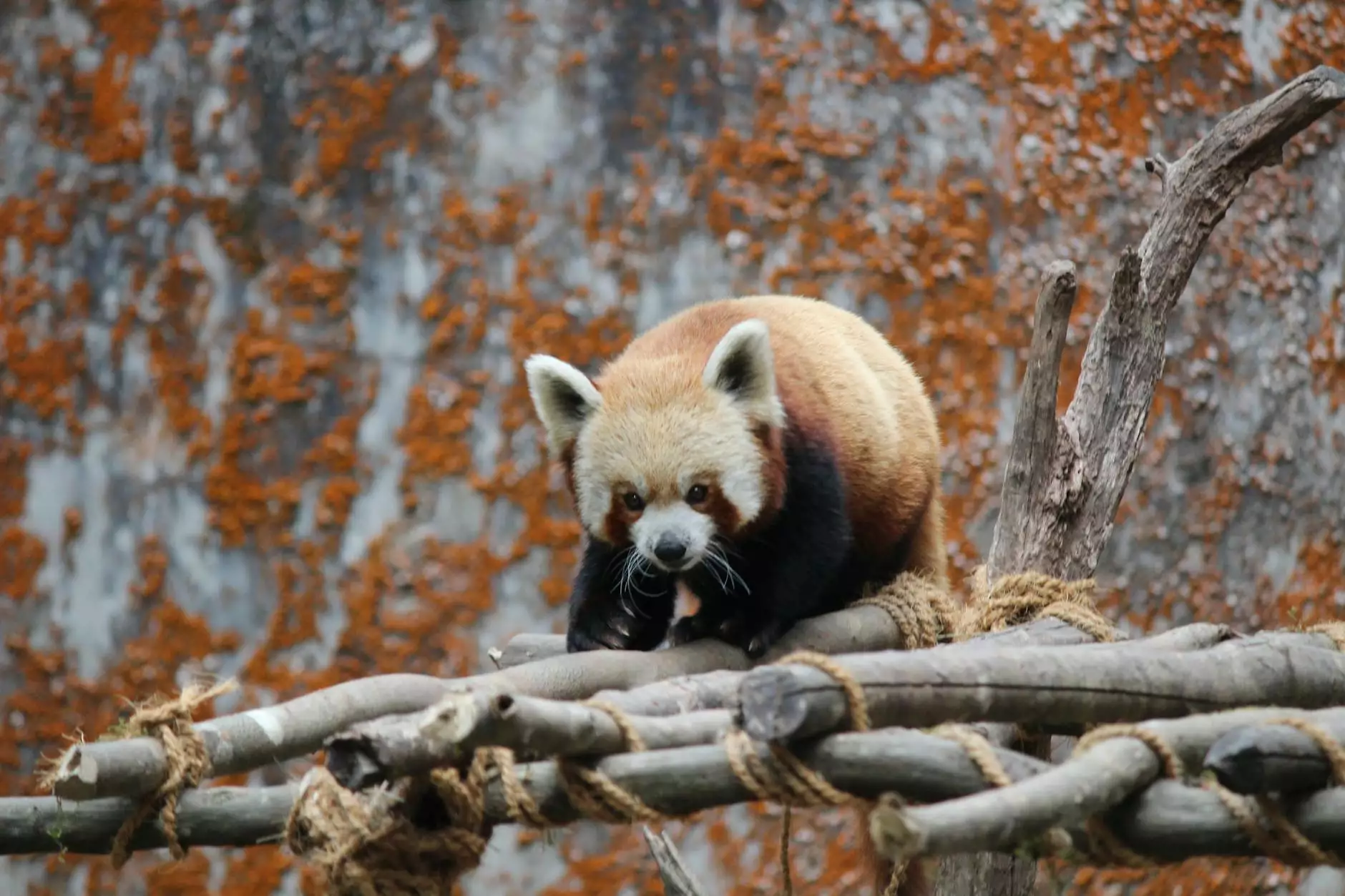
The modern zoo is not merely a place for animals to be displayed; it serves as a sanctuary of conservation, education, and research. The importance of selecting the right zoo enclosure materials cannot be overstated. It affects the health, safety, and behavior of the animals housed within as well as the experience of the visitors. This guide will explore the various materials available for zoo enclosures, their benefits, and their specific applications in animal shelters, metal fabrication, and pet boarding facilities.
Understanding Zoo Enclosure Materials
Zoo enclosure materials are integral in creating environments that mimic the animals' natural habitats while ensuring their safety and facilitating visitor interaction. Each material offers unique advantages. Let's take an in-depth look at some common types:
1. Metal Mesh
Metal mesh is often the top choice for enclosures due to its durability, strength, and versatility. Here are key aspects:
- Strength and Security: Metal mesh prevents escapes and protects animals from outside threats.
- Visibility: Stainless steel and galvanized options allow for clear visibility, enhancing visitor experience.
- Low Maintenance: Metal does not rot or decompose, significantly reducing upkeep costs.
2. Concrete
Concrete is another sturdy material that provides excellent physical barriers. Its properties include:
- Diverse Applications: Concrete can be molded into various shapes, allowing for creative enclosure designs.
- Longevity: When properly maintained, concrete enclosures can last decades without significant wear.
- Thermal Mass: It helps in regulating temperatures, ensuring a more comfortable environment for the animals.
3. Glass
Glass enclosures are increasingly popular in modern zoos, especially for animals that thrive on visible barriers. Benefits include:
- Enhanced Visitor Interaction: Glass allows up-close animal viewing without barriers between the animal and the observer.
- Safety: Thick, tempered glass offers a secure viewing experience for both animals and visitors.
- Design Aesthetics: Glass enclosures can enhance the aesthetic appeal of an exhibit.
Key Considerations When Choosing Zoo Enclosure Materials
Choosing the right materials goes beyond mere aesthetics. Here are crucial factors to consider:
1. Animal Welfare
The primary consideration in any zoo enclosure design must be the welfare of the animals. Materials should:
- Promote natural behaviors.
- Provide adequate space for movement and exploration.
- Ensure mental stimulation through visual and physical barriers that imitate the wild.
2. Safety and Security
Both animal and visitor safety are paramount. Enclosures must be:
- Designed to prevent escapes, using materials like heavy-duty metal mesh.
- Capable of protecting animals from potential threats such as predators or human interference.
- Tested for resilience against environmental factors (e.g., wind, rain).
3. Climate Considerations
Different climates can affect the longevity and functionality of enclosure materials, so it’s important to consider:
- How certain materials withstand extreme temperatures.
- The insulating properties of materials used in colder climates.
- UV resistance and corrosion resistance for tropical environments.
Applications of Zoo Enclosure Materials in Different Settings
The use of zoo enclosure materials extends beyond traditional zoos, finding applications in various facilities such as:
1. Animal Shelters
Animal shelters utilize similar enclosure principles to ensure the happiness of the animals. Here’s how:
- Temporary Housing: Metal mesh and chain link fences are often used in shelters for secure but visible temporary enclosures.
- Controlled Interaction: The ability to interact safely with shelter animals through glass viewing panels.
- Flexibility: Portable materials like fabric barriers can create a variety of temporary sections within the shelter.
2. Metal Fabricators
For facilities focused on fabrication, selecting enclosure materials includes:
- Customizability: Metal fabricators can design custom enclosures tailored to specific animals and environments.
- Durability: Metal-based products provide high resilience to wear and tear.
- Artistic Design: Fabricators can create visually engaging structures that enhance a zoo’s overall aesthetic.
3. Pet Boarding Facilities
Pet boarding venues also adopt zoo enclosure concepts, ensuring safety and comfort for pets with:
- Secure Fencing: Similar materials like metal mesh and chain link form safe play and rest areas.
- Dual-Purpose Spaces: Enclosures can be tailored for both playtime and sleeping quarters.
- Ease of Cleaning: Smooth surfaces and appropriate materials facilitate hygiene.
Future Trends in Zoo Enclosure Materials
As zoos evolve, the materials used for enclosures are also set to transform to improve animal care and visitor experience. Here are a few trends to keep an eye on:
1. Eco-Friendly Materials
Sustainability in construction is becoming increasingly important. This includes:
- Recycled Materials: Utilizing eco-friendly and recycled materials for constructing enclosures.
- Green Design: Creating habitats that incorporate plants and natural elements.
- Improved Energy Efficiency: Materials that require less energy to produce and maintain.
2. Technological Integration
Advancements in technology are influencing enclosure designs through:
- Smart Enclosures: Using sensors and monitoring systems to ensure animal health and safety.
- Interactive Features: Incorporating technologies that educate visitors and engage them with animals.
- Augmented Reality: Creating experiences blending the real with the virtual to enhance visitor understanding.
3. Behaviorally Enriched Designs
Focusing on the psychology of animals, designers are increasingly adopting concepts that promote:
- Naturalistic Habitats: Creating enclosures that closely resemble an animal's natural environment.
- Variety of Spaces: Incorporating diverse terrain and climbing structures to stimulate exploration.
- Socialization Opportunities: Designing multi-species or social areas for animals to interact naturally.
Conclusion
In conclusion, zoo enclosure materials are vital to the overall success and reputation of a zoo. Not only do they play a crucial role in physical barriers and safety but also in enhancing the animal experience and visitor engagement. As we move towards more sustainable and technology-driven solutions, the future of zoo enclosures promises to be more humane and innovative than ever. At hebmetalmesh.com, we understand the diverse needs of zoos, animal shelters, and boarding facilities, providing the highest quality materials that stand the test of time embraced by animals and caretakers alike. It's time to take animal welfare seriously through thoughtful enclosure design and material selection.