Revolutionizing Manufacturing with Rapid Prototype Service Factory
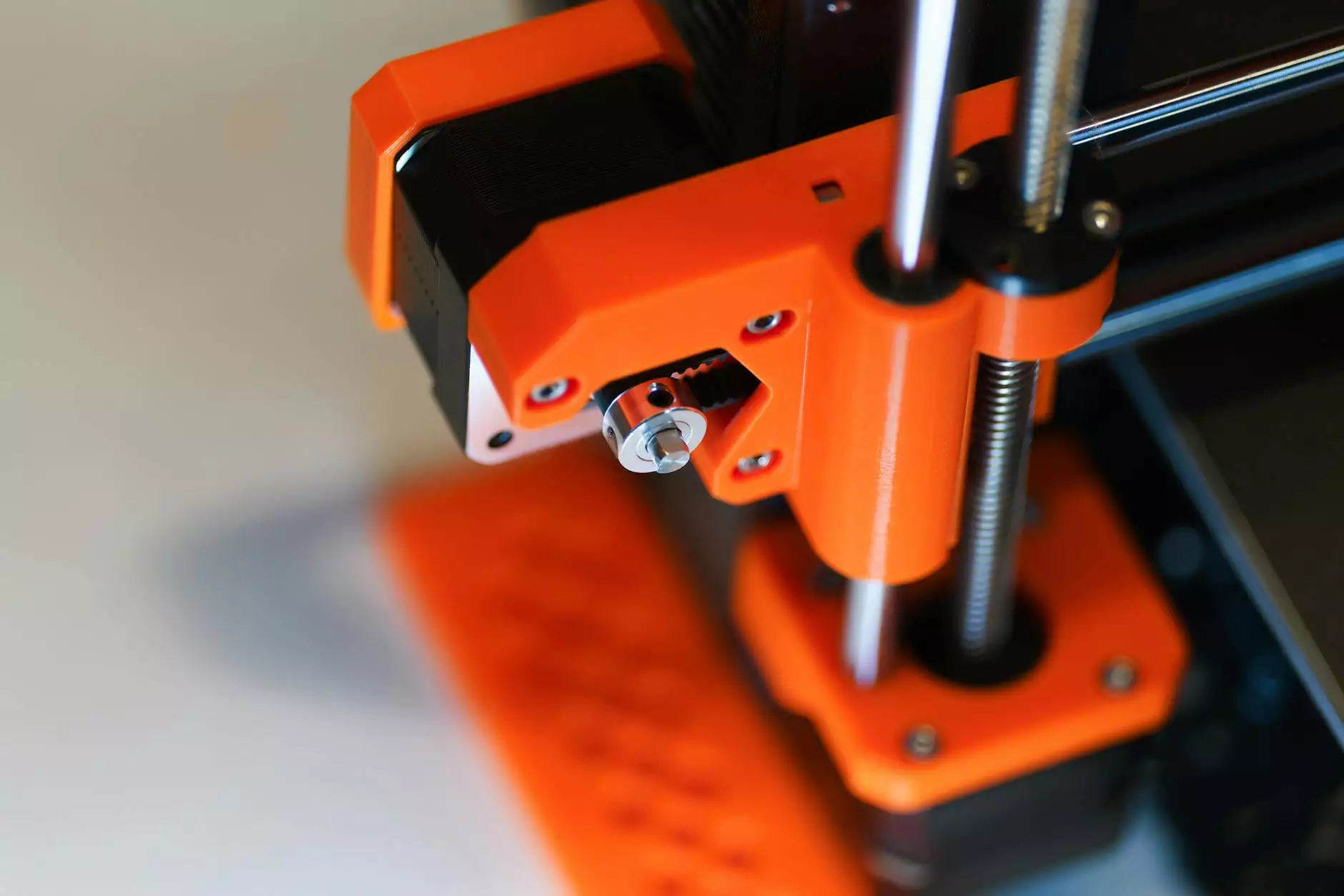
Understanding Rapid Prototyping
In the ever-evolving landscape of manufacturing, rapid prototyping stands out as a game-changer. This innovative approach allows businesses to create prototypes quickly and efficiently, significantly reducing the time and costs associated with traditional prototyping methods. The concept revolves around using advanced technologies and methodologies to develop physical models of a product, facilitating testing and modifications before mass production.
The Role of a Rapid Prototype Service Factory
A rapid prototype service factory specializes in providing essential services that enable companies to accelerate their product development cycles. By utilizing state-of-the-art equipment and materials, these factories can produce prototypes in various forms, ranging from simple models to complex assemblies. This not only enhances design verification but also allows companies to swiftly adapt to market demands.
Key Benefits of Using a Rapid Prototype Service Factory
- Speed: Rapid prototyping turns concepts into tangible products in a fraction of the time.
- Cost Efficiency: By identifying design flaws early in the process, businesses can save significantly on materials and production costs.
- Enhanced Collaboration: Prototypes facilitate better communication among teams, allowing for quicker feedback and improvements.
- Market Readiness: Getting products to market faster can be a critical advantage in competitive industries.
Technologies Driving Rapid Prototype Service Factories
The execution of rapid prototyping relies on various advanced technologies that have transformed the manufacturing sector. The core technologies typically used in a rapid prototype service factory include:
1. 3D Printing
3D printing, or additive manufacturing, allows for the layer-by-layer construction of prototypes. Utilizing materials such as plastics, metals, and even ceramics, this method enables the creation of intricate designs with high precision. 3D printing is especially beneficial for low-volume production and customization.
2. CNC Machining
CNC (Computer Numerical Control) machining is another cornerstone of rapid prototyping. This subtractive manufacturing process involves removing material from a solid block to achieve the desired shape. CNC machining is known for its durability and the ability to work with a variety of materials, making it an excellent choice for functional prototypes.
3. Injection Molding
Injection molding plays a crucial role, particularly when the prototype is ready for small-scale production. This technique involves injecting molten material into a mold to create part shapes, allowing for high-volume production while ensuring consistency and quality.
Applications of Rapid Prototyping Across Industries
The versatility of a rapid prototype service factory means its applications span various sectors including:
1. Automotive Industry
In the automotive sector, rapid prototyping is crucial for developing new vehicle models and components. The ability to produce prototype parts quickly allows for extensive testing and modification, enhancing safety and performance.
2. Aerospace Engineering
The aerospace industry benefits significantly from rapid prototypes due to the high level of precision required in aircraft design. Prototypes built using advanced materials can undergo rigorous testing simulations before final production, ensuring reliability and safety in every flight.
3. Healthcare and Medical Devices
Medical device companies rely on rapid prototyping to innovate and improve their products. Prototyping allows for the early detection of design flaws and facilitates the development of devices that meet strict regulatory requirements.
Choosing the Right Rapid Prototype Service Factory
Selecting a suitable rapid prototype service factory is essential for your business's success. Here are crucial factors to consider:
1. Experience and Expertise
Evaluate the experience of the factory in your specific industry. A factory with a proven track record in producing successful prototypes in your field can provide invaluable insights.
2. Technology and Capabilities
Examine the technologies employed by the factory. Ensure they use the latest equipment capable of handling your project requirements, whether you need 3D printing, CNC machining, or advanced material fabrication.
3. Quality Assurance
Look for a factory that prioritizes quality at every stage of production. Comprehensive quality assurance processes should ensure that the prototypes meet specifications and standards.
4. Speed of Delivery
In today's fast-paced market, timely delivery of prototypes can make a significant difference. Ensure the factory can meet your deadlines without compromising quality.
The Future of Rapid Prototyping
As technology continues to advance, the field of rapid prototyping will only get more sophisticated. With the rise of AI and machine learning, we expect to see:
- Increased Automation: Factory automation through AI will streamline processes and improve efficiency.
- Better Materials: Innovations in materials science will lead to stronger and more versatile prototyping materials.
- Expanded Applications: From consumer products to complex machinery, the scope of rapid prototyping will broaden, paving the way for more industries to leverage its benefits.
Conclusion
In conclusion, the rapid prototype service factory is reshaping the landscape of manufacturing and product development. By harnessing cutting-edge technologies, these factories empower businesses to innovate swiftly and efficiently. As the demand for faster and more reliable prototyping grows, companies that embrace these services will undoubtedly gain a competitive edge in their respective industries.
With DeepMould, businesses can take advantage of specialized metal fabrication and rapid prototyping services tailored for various industrial applications. Leverage this expertise to accelerate your product development and drive success.