The Rise of DJ Radio: Revolutionizing the Music Industry
DJ radio has dramatically transformed the landscape of content consumption in the music industry. With the advent of digital streaming platforms, the way we experience music has changed profoundly, and DJ radio stands at the forefront of this evolution. In this article, we will explore the various aspects of DJ radio, its significance in the music production services sector, and how it creates new opportunities for both artists and listeners alike.
What is DJ Radio?
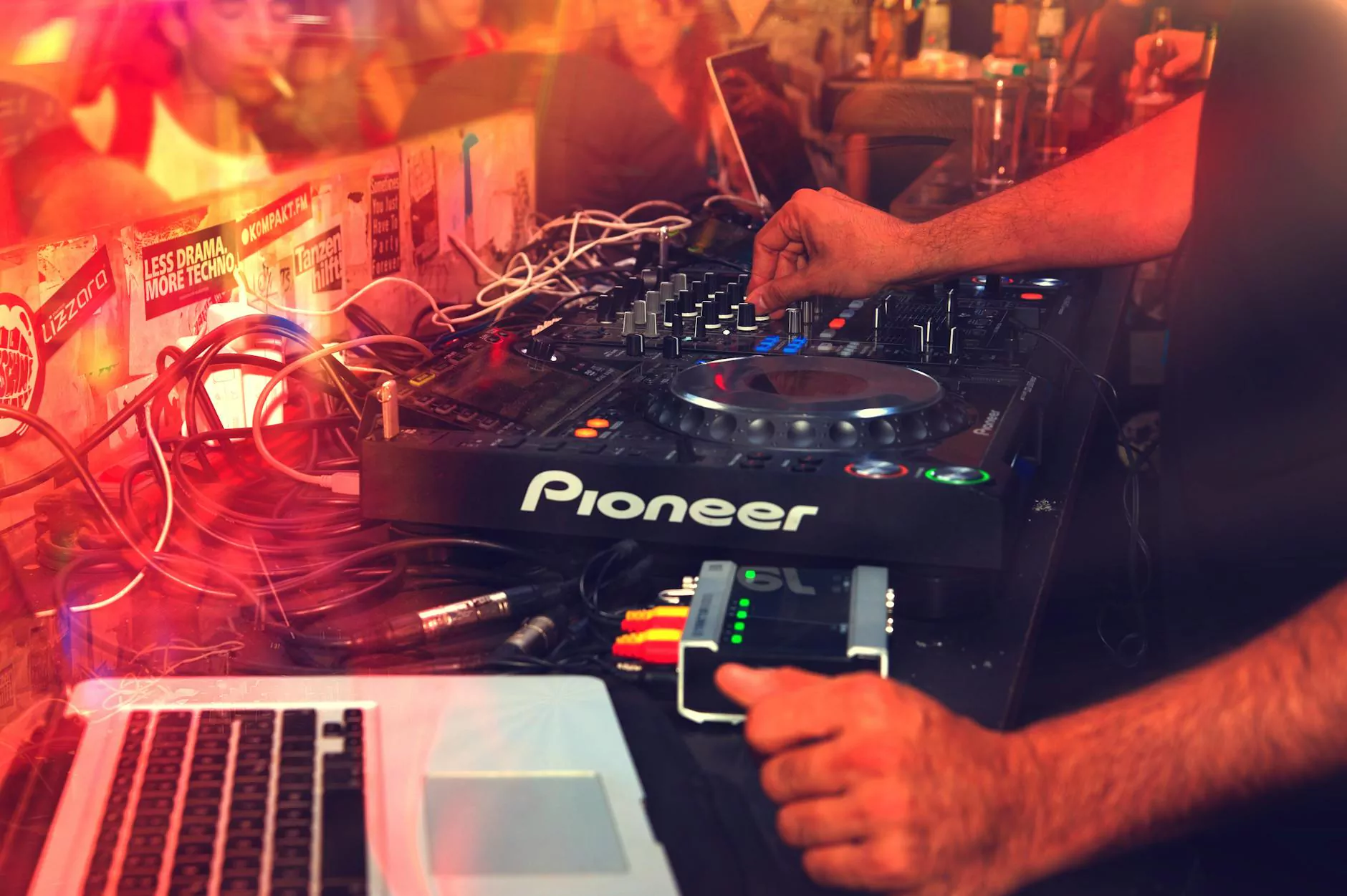
DJ radio refers to radio stations or streaming platforms where DJs curate and mix music. Unlike traditional radio, which primarily plays a fixed playlist, DJ radio offers a dynamic listening experience. The unique blend of mixing, live performances, and the human touch that DJs bring to their sets creates an engaging atmosphere for listeners.
The Emergence of DJ Radio
The origins of DJ radio can be traced back to the early days of radio broadcasting, but it has gained immense popularity with the rise of technology and the internet. Today, numerous platforms exist, allowing DJs to reach a global audience. Services like Mixcloud, SoundCloud, and even social media platforms like Instagram and Facebook allow DJs to share their mixes and interact with fans in real time.
Why DJ Radio is Gaining Popularity
The surge in the popularity of DJ radio can be attributed to several factors:
- Accessibility: With just an internet connection, anyone can access DJ radio streams from anywhere in the world. This global reach opens up exposure for both established and up-and-coming DJs.
- Engagement: DJs often interact with their audience through live chat sessions or social media, building a community around their brand.
- Diverse Content: Unlike traditional radio, which often sticks to certain genres, DJ radio showcases a wide diversity of musical styles and genres, appealing to a broader audience.
The Role of DJ Radio in Music Production Services
DJ radio does not only serve as a platform for DJs to showcase their talent; it also plays a crucial role in the ecosystem of music production services. Here’s how:
1. A Launchpad for New Artists
Many aspiring musicians struggle to find platforms that will give them exposure. DJ radio stations often support emerging talent by featuring their tracks. This exposure can be instrumental in propelling an artist’s career forward. DJs frequently incorporate tracks from new artists into their mixes, helping to get their name heard by a larger audience.
2. Networking Opportunities
The DJ world is interconnected. Through DJ radio, artists can connect with DJs, producers, and even fans who can help them further their music careers. Collaborations often arise from these connections, leading to innovation and new music styles.
3. Feedback Loop
DJs often curate tracks based on audience feedback. This interaction provides valuable insights to musicians regarding what styles or tracks resonate with listeners. This feedback loop can guide artists in refining their music to better suit audience preferences.
How to Start Your Own DJ Radio Station
Starting your own DJ radio station may seem daunting, but with the right tools and a clear vision, anyone can do it. Here’s a step-by-step guide:
Step 1: Define Your Niche
Before anything else, you need to determine what kind of music your station will specialize in. Will you focus on electronic dance music (EDM), hip-hop, jazz, or a mix of various genres? Defining your niche will help attract a targeted audience.
Step 2: Choose Your Platform
There are several platforms available for broadcasting your radio station. Some popular choices include:
- TuneIn - A popular platform for hosting and streaming internet radio stations.
- Mixlr - A platform that allows you to live-stream your mixes and interact with listeners in real time.
- Spreaker - Offers broadcasting tools and helps with monetization strategies.
Step 3: Equipment and Software
Investing in good quality equipment is crucial. Here’s what you’ll need:
- Microphone - A quality microphone for clear audio.
- Headphones - For monitoring your mixes without feedback.
- DJ Software - Programs like Serato, Traktor, or Ableton to mix and produce your sets.
- Computer and Internet Connection - Essential for broadcasting and streaming.
Step 4: Promotion
Once your station is up and running, you’ll need to promote it. Use social media platforms, create a website, and engage with listeners through forums. Collaborate with other DJs to cross-promote your content.
Success Stories in DJ Radio
The impact of DJ radio can be seen through numerous success stories. One notable example is DJ Khaled, who used various streaming platforms to build his brand and promote his music. His engaging persona and use of DJ radio helped him reach global audiences, leading to multiple chart-topping hits.
Another example is the rise of the popular DJ duo The Chainsmokers, who initially gained fame through their mixes on SoundCloud before becoming world-renowned music producers. Their journey exemplifies the transformative power of DJ radio in the music industry.
The Future of DJ Radio
As technology continues to evolve, so will DJ radio. Innovations like augmented reality (AR) and virtual reality (VR) could offer new ways for audiences to experience DJ sets. Imagine attending a live DJ performance from the comfort of your home in a virtual venue filled with fans from around the world. The future holds endless possibilities, and DJ radio is likely to be at the forefront of this evolution.
Conclusion
In conclusion, DJ radio has become a crucial component of the modern music industry, serving as a vital platform for discovery, engagement, and innovation. With its ability to bring artists and audiences together, it not only enhances the listening experience but also fosters a vibrant community of music lovers. Whether you’re a listener, a DJ, or an artist, the world of DJ radio offers exciting opportunities that continue to grow and evolve.
At music-worx.com, we recognize the power of DJ radio and the incredible impact it has on music production services. Join us as we continue to explore and expand this vibrant musical landscape.