Maximizing Your Business Potential with Inkjet Ink Solutions
The contemporary business landscape is fueled by innovation and demands for efficiency, especially in the realm of printing services. As businesses strive to create impactful visuals and effective documentation, inkjet ink has emerged as a pivotal component in delivering superior printing results. In this article, we will explore various aspects of inkjet ink, its advantages, applications, and how it can bolster your business operations. Our objective is to provide a comprehensive understanding that not only informs but also empowers businesses to make informed decisions regarding their printing needs.
The Fundamentals of Inkjet Ink
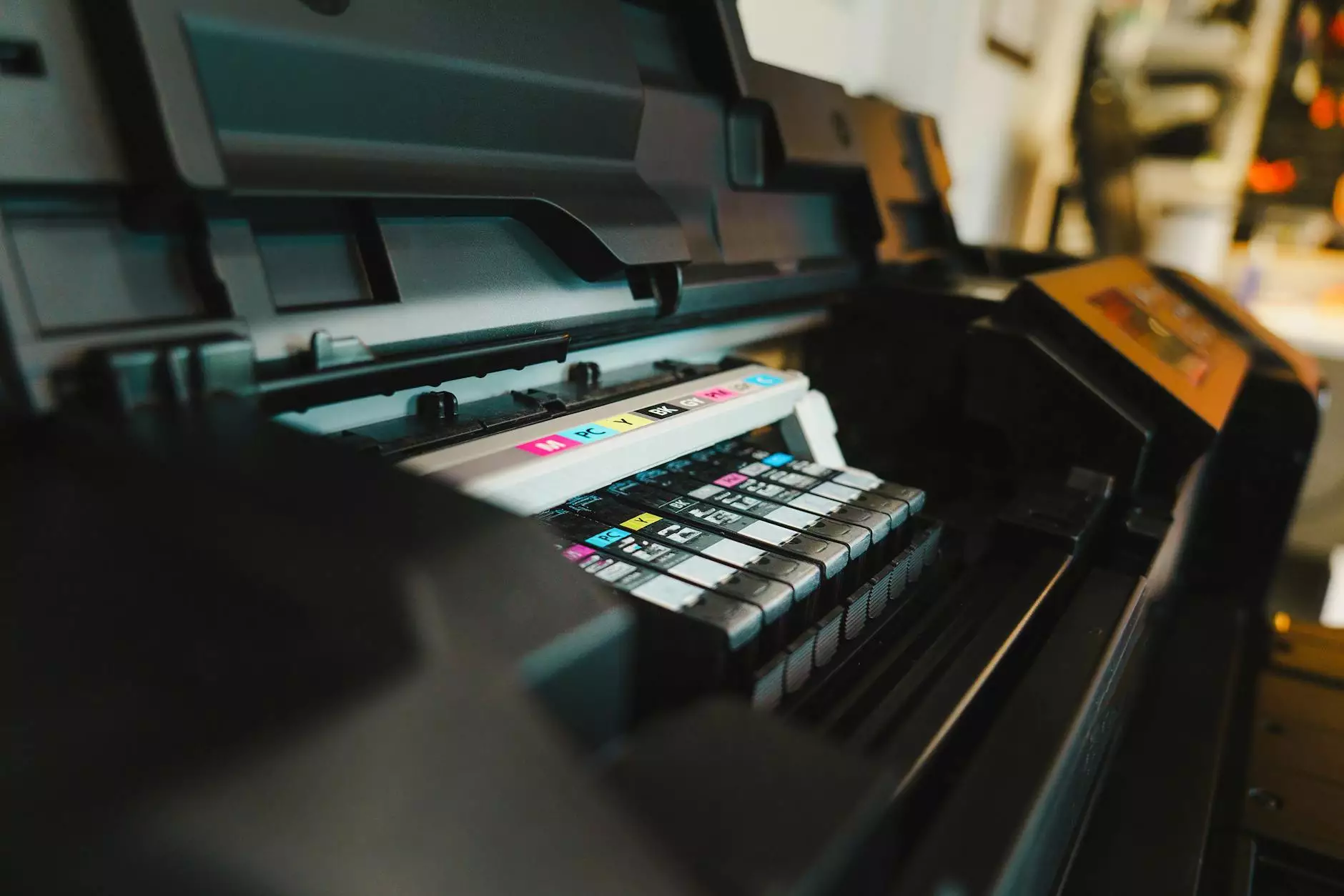
Inkjet ink is specifically designed for use in inkjet printers, where droplets of ink are ejected through tiny nozzles to produce images and text on paper. This method contrasts sharply with traditional printing techniques, providing unique advantages that cater to modern business requirements.
Understanding Types of Inkjet Ink
There are primarily two types of inkjet ink: dye-based and pigment-based inks. Each has its unique properties and suitable applications.
- Dye-Based Ink: Known for its vibrant colors and smooth finish, dye-based inks are ideal for creating stunning photographic prints. However, their susceptibility to fading over time makes them less suitable for archival quality prints.
- Pigment-Based Ink: These inks are composed of larger particles, therefore offering better longevity and water resistance. Pigment-based inks are perfect for producing official documents, artworks, and professional-grade prints that need to stand the test of time.
Key Benefits of Using Inkjet Ink
Utilizing inkjet ink in your printing processes brings numerous benefits that can significantly enhance your business operations. Here are some key advantages:
Cost-Effectiveness
Inkjet printing can be less expensive compared to other methods such as laser printing, especially for small to medium print runs. Businesses can save on operational costs by opting for inkjet ink, which requires minimal upfront investment in printing equipment.
High-Quality Output
Incorporating inkjet ink into your printing process allows for high-resolution outputs with unmatched color fidelity. This is particularly advantageous for marketing materials where first impressions matter significantly.
Versatility
Inkjet printers are versatile, capable of printing on various materials—from standard paper to specialized media such as labels, canvases, and even fabrics. This adaptability allows businesses to diversify their printed offerings.
Eco-Friendliness
Many inkjet inks are formulated to be environmentally friendly, using less harsh chemicals compared to traditional inks. Businesses can enhance their brand image by adopting sustainable practices, making inkjet ink a smart choice for eco-conscious organizations.
Applications of Inkjet Ink in Business
Date from market research shows remarkable growth in the use of inkjet ink across various sectors. Here’s how different industries can utilize inkjet technology:
Retail and E-commerce
Businesses in retail can leverage inkjet ink to produce eye-catching promotional materials that attract customers, such as flyers, posters, and product labels, enhancing brand visibility and sales.
Photography and Creative Arts
For photographers and artists, high-quality prints are a necessity. Using pigment-based inkjet ink allows for gallery-quality prints that can retain their vibrant colors for years, offering a reliable choice for professionals.
Education and Training
Educational institutions can benefit from inkjet ink by printing customized materials for students, including reports, handouts, and posters that help in the learning process.
Manufacturing and Industries
Manufacturers often require durable labels and tags for products. Inkjet ink provides an efficient method to produce quality labels that withstand various conditions, crucial for inventory management and product identification.
Best Practices for Optimal Inkjet Printing
To get the most out of your inkjet ink and printer, it is essential to follow certain best practices:
Regular Printer Maintenance
Maintaining your inkjet printer not only prolongs its life but also ensures consistent print quality. Regularly check the ink levels, clean the print heads, and perform maintenance tasks as recommended by the manufacturer.
Using Quality Paper
Investing in high-quality paper tailored for inkjet printing will yield better results. The paper’s texture and weight can significantly impact the final output and overall professionalism of printed materials.
Proper Storage of Ink Supplies
Store your inkjet ink in a cool, dry place to prevent clogs and ensure longer shelf-life. Improper storage can lead to degradation of ink quality, adversely affecting print results.
Innovations in Inkjet Ink Technology
The field of printing technology is continuously evolving, with significant advancements enhancing the performance and usability of inkjet ink. Here are some recent innovations:
Water-Resistant Inks
Developments in water-resistant ink formulations have improved the durability of prints, making them suitable for outdoor applications and environments that expose printed materials to moisture.
Fast-Drying Inks
New formulations allow for faster drying times, minimizing smudging and blurring. Businesses can benefit from quicker print jobs, enhancing efficiency and productivity.
Smart Ink Technology
Smart technologies integrated into printers can automatically adjust settings based on the type of inkjet ink being used, optimizing output and saving time.
Comparing Inkjet Ink with Other Printing Technologies
Understanding how inkjet ink stacks up against other printing technologies can help businesses make informed decisions about their printing needs.
Inkjet vs. Laser Printing
- Cost: Inkjet printers are generally cheaper to purchase compared to laser printers, making them economical for smaller businesses.
- Print Quality: Inkjet printers excel at producing high-resolution images, ideal for detailed graphics, whereas laser printers are better suited for text and monochromatic prints.
- Speed: Despite advancements in inkjet technology, laser printers are often faster for large volume monochrome printing.
Inkjet vs. Sublimation Printing
- Application: Sublimation printing is used for transferring designs onto fabrics or items, while inkjet is more versatile for various substrates.
- Cost: Sublimation printing requires additional investment in transfer paper and heat presses, whereas inkjet printing can start with just the printer and ink.
Choosing the Right Inkjet Ink for Your Business
When selecting inkjet ink, consider the following factors:
- Purpose of Prints: Determine whether the prints will be used for casual, professional, or artistic purposes to choose between dye-based or pigment-based inks.
- Compatibility: Always ensure the ink you choose is compatible with your printer model to avoid any operational setbacks.
- COST-EFFECTIVENESS: Evaluate the cost per print as some inks might be cheaper but yield fewer pages.
Conclusion: Empower Your Business with Inkjet Ink Solutions
The incorporation of inkjet ink into your printing services can dramatically enhance the quality, versatility, and cost-effectiveness of your outputs. As a result, businesses stand to gain not just in terms of aesthetic appeal but in overall operational efficiency.
With the right inkjet ink solutions, your business can emerge as a leader in your sector, delivering superior prints that resonate with clients and customers alike. Investing in high-quality inkjet ink products and embracing innovative printing practices will elevate your brand and help you stay competitive in an ever-evolving market.
Explore more about how Boston Industrial Solutions can assist you in optimizing your printing services by providing tailored solutions that meet your specific needs.