The Essential Guide to Brake Components on a Car
When it comes to the safety and functionality of a vehicle, brake components on a car are absolutely crucial. Understanding how these components work, their purpose, and how to maintain them can not only enhance your driving experience but also ensure the safety of you and your passengers. This article will explore each element of the braking system in detail, providing insights that will help car owners make informed decisions and uphold their vehicle's performance.
An Overview of Brake Components
The braking system of a car is comprised of several key components, each serving a specific function to facilitate the process of slowing down or stopping the vehicle. The main components of the braking system include:
- Brake Pads
- Brake Rotors
- Brake Calipers
- Brake Lines
- Master Cylinder
Understanding Each Component
1. Brake Pads
Brake pads are essential for vehicle deceleration. These pads are made of friction material and are attached to the calipers. When you press the brake pedal, the calipers squeeze the brake pads against the rotors, creating the friction needed to slow down or stop the vehicle.
Over time, brake pads wear down and must be replaced to maintain optimal braking performance. Signs that your brake pads need replacement include:
- Grinding or squeaking noises.
- Vibration during braking.
- Longer stopping distances.
- Warning light on the dashboard.
2. Brake Rotors
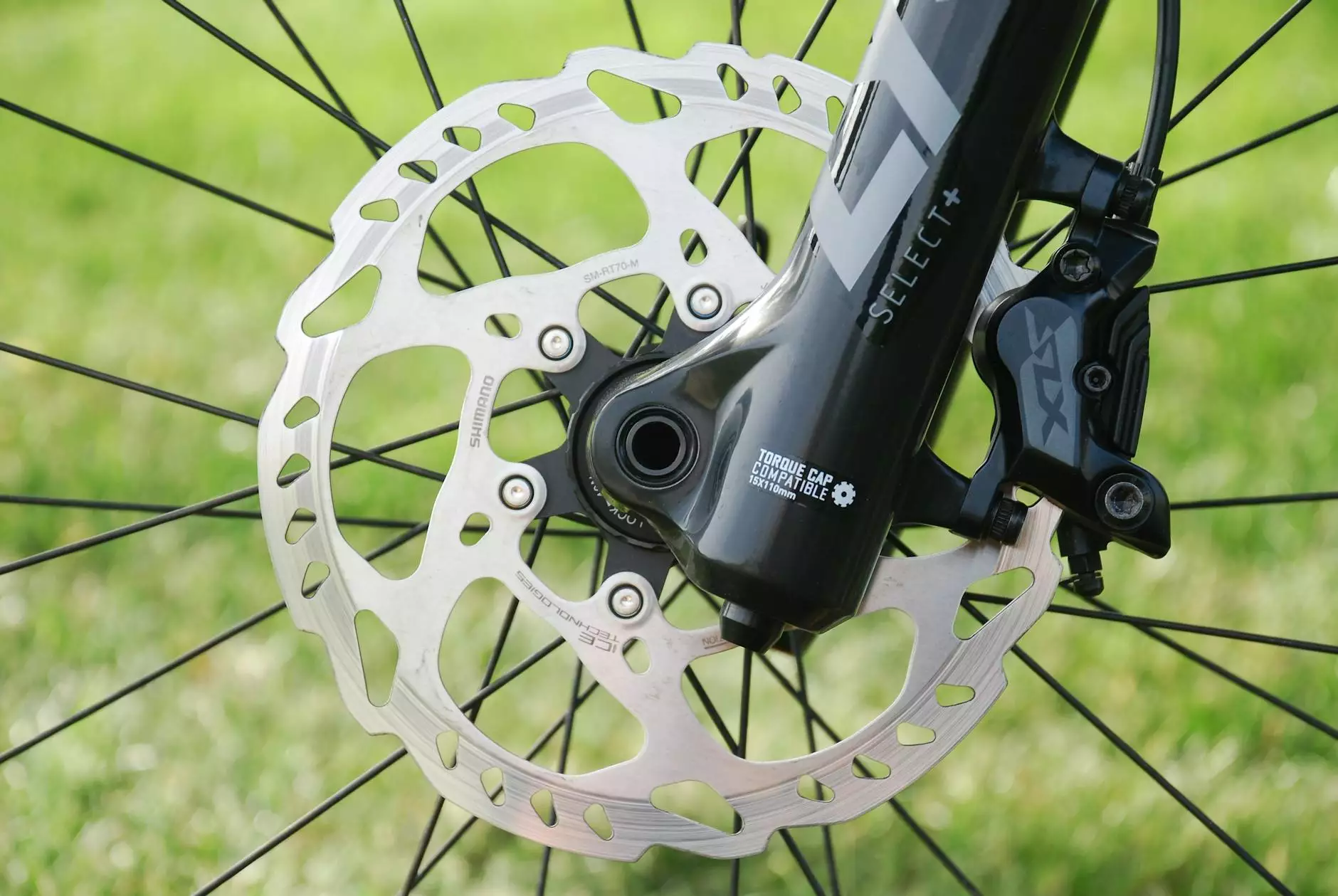
Brake rotors are circular discs that work in tandem with the brake pads. When the brake pads are pressed against the rotors, the friction generated helps slow down the car. Rotors can be either solid or ventilated, with ventilated rotors typically found in performance vehicles for better heat dissipation.
It's vital to maintain the condition of your rotors, as warped or worn rotors can lead to decreased braking efficiency and safety hazards. Signs of rotor issues include:
- Pulsation in the brake pedal.
- Discoloration or heat spots on the rotor surface.
- Unusual noises during braking.
3. Brake Calipers
The brake caliper is the component that houses the brake pads and is responsible for applying pressure to them. It is mounted over the rotors and contains pistons that push the brake pads onto the rotor when braking. There are two types of calipers - floating and fixed, with floating calipers moving slightly to enhance contact with the rotors, while fixed calipers maintain a constant position.
Calipers can develop issues such as leaks or seized pistons. Regular inspections can help detect problems before they escalate, ensuring smoother operations of the braking system.
4. Brake Lines
Brake lines play a critical role in transmitting the brake fluid from the master cylinder to the calipers. These lines ensure that the necessary pressure is exerted during braking, which is essential for the effectiveness of the system. Brake lines are durable but can suffer wear and tear, leading to leaks that compromise braking strength.
Common signs of brake line issues include:
- Soft or spongy brake pedal feel.
- Brake fluid leakage under the vehicle.
- Increased stopping distance.
5. Master Cylinder
The master cylinder is a pivotal component that creates hydraulic pressure within the braking system. When the brake pedal is pressed, the master cylinder pushes brake fluid through the lines to the calipers, thereby activating the brakes. It's important to maintain this component, as any failure can lead to complete brake failure.
Indicators of a failing master cylinder include:
- Brake warning light activation.
- Fluid leaks around the master cylinder.
- Pedal sinking to the floor.
Maintaining Your Brake Components
To ensure that the brake components on a car function effectively, regular maintenance is essential. Here are some tips on how to maintain these crucial components:
Regular Inspections
It is advisable to have your brake system inspected at least once a year. Technicians will examine the condition of the brake pads, rotors, calipers, and lines to ensure everything is in top condition.
Fluid Maintenance
Brake fluid should be checked regularly and replaced according to the manufacturer's guidelines. Brake fluid can absorb moisture over time, which can reduce braking efficiency.
Immediate Attention to Problems
If you notice any signs of brake wear or failure, such as unusual noises or changes in pedal feel, it is imperative to address these issues promptly. Ignoring them can lead to more significant problems and potentially dangerous situations.
Choosing Quality Brake Components
Selecting the right components can make a significant difference in the longevity and effectiveness of your braking system. At imautoparts.com, we provide a wide selection of high-quality brake components, ensuring that our customers have access to the best parts available on the market.
Understanding OEM vs Aftermarket Parts
When choosing brake components, you will often come across two main categories: OEM (Original Equipment Manufacturer) and aftermarket parts. While OEM parts are made by the vehicle's manufacturer and typically guarantee compatibility, aftermarket parts can offer more variety and potentially lower prices.
It’s important to evaluate the pros and cons of each option and choose components that meet your driving needs and budget. Consider factors such as:
- Quality and reputation of the brand.
- Warranty and return policy.
- Compatibility with your specific vehicle model.
Enhancing Brake System Performance
For those who seek performance upgrades, several options can enhance the braking system:
- High-Performance Brake Pads: Offer improved friction and heat resistance.
- Slotted or Drilled Rotors: Enhance cooling and moisture dispersion for consistent braking performance.
- Upgraded Calipers: Provide better clamping pressure and durability.
Conclusion
The brake components on a car are fundamental to ensuring driver and passenger safety. Understanding how these components function, recognizing their signs of wear, and maintaining them properly can significantly contribute to a reliable and safe driving experience.
As you consider your options for auto parts, remember that investing in quality components, like those found at imautoparts.com, can lead to improved performance and safety. With the right care, your braking system will serve you well for many miles to come.
Stay informed, stay safe, and drive responsibly!