Ultimate Guide to Jeep Wheels and Tires
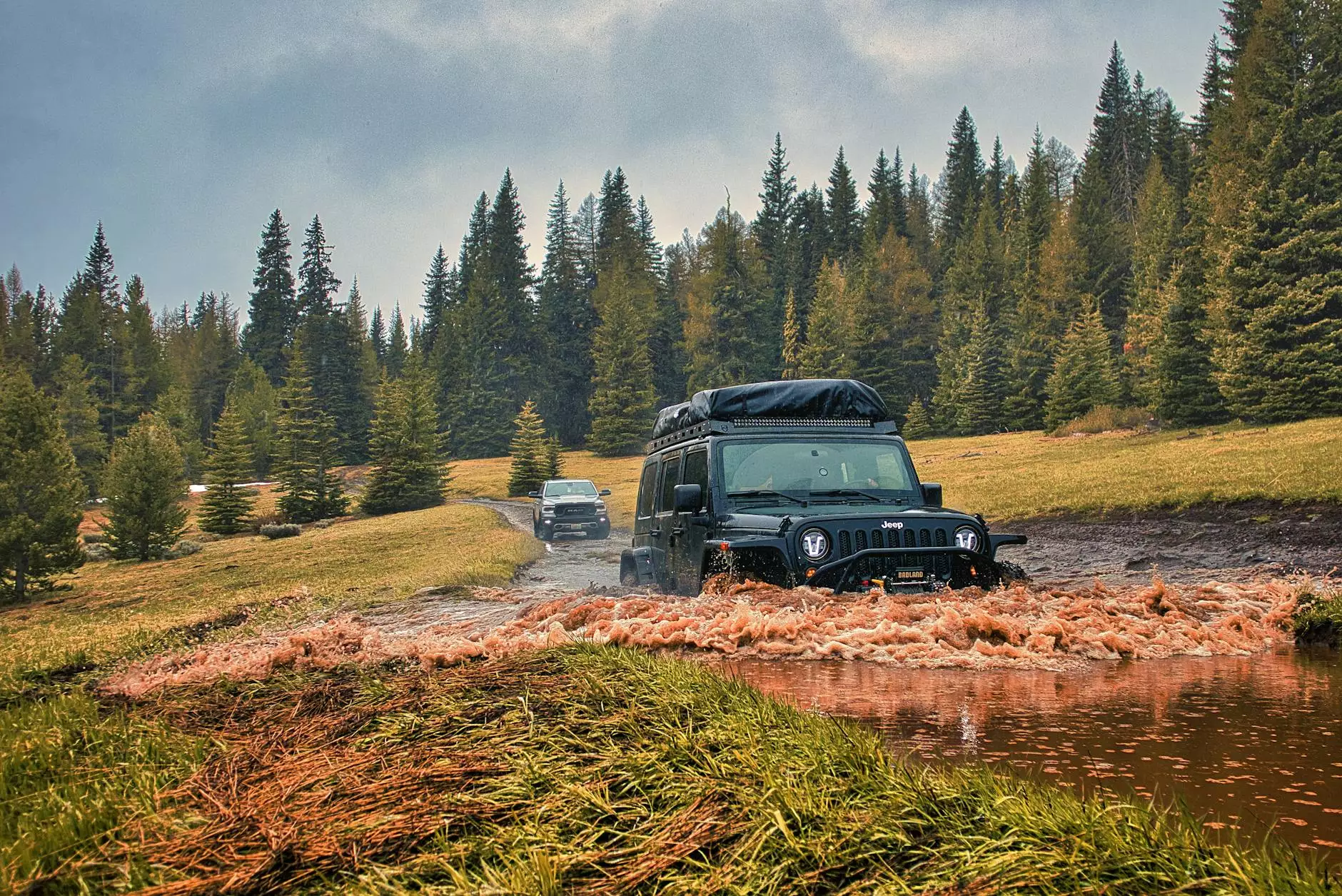
When it comes to enhancing your Jeep's performance, Jeep wheels and tires are among the most critical upgrades you can make. Whether you're conquering rocky trails, cruising on highways, or navigating through mud, having the right wheel and tire setup will significantly impact your driving experience. In this comprehensive guide, we will delve into everything you need to know about selecting and maintaining the best Jeep wheels and tires to elevate your off-roading adventures.
Understanding Jeep Wheels: The Foundation of Performance
Wheels are not just a cosmetic upgrade; they play a fundamental role in your Jeep's overall performance. The right set of wheels can improve handling, traction, and aesthetics. Here are some key factors to consider when selecting wheels for your Jeep:
1. Wheel Size Matters
The size of your Jeep wheels greatly affects how your vehicle performs on and off-road. Common wheel sizes range from 15 to 20 inches. Here's what you should consider:
- Smaller Wheels (15-17 inches): Better for off-road capabilities due to increased sidewall height, providing more flex and better traction on uneven terrain.
- Medium Wheels (18-19 inches): Offer a balance between on-road comfort and off-road performance. Suitable for both driving styles.
- Larger Wheels (20 inches and above): Improve on-road aesthetics and performance but may compromise off-roading abilities due to reduced sidewall height.
2. Material Choices: Steel vs. Aluminum
Choosing the right material for your wheels can influence weight, durability, and heat dissipation:
- Steel Wheels: Generally heavier and more affordable, steel wheels are robust and less prone to bending on rough terrains.
- Aluminum Wheels: These are lighter, stylish, and better at dissipating heat, which can lead to improved brake performance.
3. Wheel Offset and Backspacing
Understanding wheel offset and backspacing is crucial for proper fitment:
- Offset: This refers to the distance from the wheel's mounting surface to its centerline. A positive offset pushes wheels inward while a negative offset pushes them outward.
- Backspacing: The distance from the back of the wheel to the mounting surface. Selecting the right backspacing ensures that your wheels don’t rub against the fenders or suspension components.
Choosing the Right Tires for Your Jeep
Now that we’ve covered wheels, it’s time to discuss tires. Your choice of tires is just as important as selecting the right wheels, especially when it comes to the Jeep wheels and tires combo.
1. Types of Tires for Off-Roading
There are several types of tires tailored for different driving conditions:
- All-Terrain Tires: These tires provide a good balance for on-road and off-road driving, featuring a more aggressive tread pattern suitable for various terrains.
- Mud-Terrain Tires: Designed specifically for muddy and loose surfaces, these tires have large, deep treads that excel in off-road conditions but may produce more road noise and reduce fuel efficiency on highways.
- Rock Crawling Tires: Ideal for rugged, rocky trails, these tires feature reinforced sidewalls to prevent punctures and maintain traction on steep climbs.
- Highway Tires: While not the best for off-road, they provide a smooth, quiet ride on paved surfaces and are great for daily driving.
2. Tire Size and Fitment
Selecting the right tire size is essential for maintaining the balance and handling of your Jeep:
- Always refer to your vehicle’s manufacturer specifications for suitable tire sizes. Common sizes for Jeeps usually vary from 30 to 37 inches.
- Consider how larger tires will affect your gearing and power; larger tires can create more strain on the engine and transmission.
3. Tread Patterns: Finding the Right Grip
The tread design of your tires is crucial for traction:
- Open Tread Patterns: Better for loose surfaces like mud and dirt, allowing for ample grip in off-road conditions.
- Closed Tread Patterns: Excellent for highway driving as they provide smoother rides and reduce road noise.
Installing Jeep Wheels and Tires: A Step-by-Step Guide
Once you've chosen the perfect wheels and tires, it’s time for installation. Follow these steps to ensure a successful setup:
1. Gather Your Tools
You'll need:
- Jack and jack stands
- Lug wrench
- Tire pressure gauge
- Torque wrench
2. Lift Your Jeep
Use the jack to lift your Jeep, and secure it with jack stands to ensure stability during the installation process.
3. Remove Old Wheels and Tires
Loosen the lug nuts with your wrench, then remove the old wheels and tires from the vehicle.
4. Install New Wheels and Tires
Position the new tires onto the wheel hub, ensuring they fit securely. Hand-tighten the lug nuts initially.
5. Lower Your Jeep and Torque the Lug Nuts
Carefully lower the Jeep back to the ground, then use a torque wrench to tighten the lug nuts to the manufacturer’s specifications.
6. Check Tire Pressure
Using your tire pressure gauge, ensure that the tire pressure is set to the recommended levels for optimal performance.
Maintenance Tips for Your Jeep Wheels and Tires
To keep your Jeep wheels and tires in top condition, regular maintenance is key. Here are some essential tips:
1. Regular Inspections
Frequently check for signs of wear, such as:
- Tread wear
- Cracks or splits in the rubber
- Uneven wear patterns
2. Keep Tires Properly Inflated
Maintaining the correct tire pressure improves fuel efficiency, prolongs tire life, and enhances handling.
3. Rotate Your Tires
Rotating your tires every 5,000 to 7,500 miles ensures even wear and extends the life of your tires.
4. Balance and Align Your Wheels
Periodic wheel balancing and alignment can prevent uneven wear and improve driving safety and comfort.
5. Protect Against Corrosion
Keep your wheels clean and inspect them for rust or corrosion, especially if you often drive in salty or muddy conditions.
Conclusion: Enhance Your Jeep Experience with the Right Wheels and Tires
Investing in the right set of Jeep wheels and tires is paramount for anyone looking to optimize their off-road adventures. With the right knowledge and care, you can ensure that your Jeep performs at its very best, whether tackling rugged trails or cruising down the highway. By following this guide, you are now equipped to make informed decisions, ensuring that your wheels and tires meet your driving needs and lifestyle. For all your automotive needs, visit us at offroad-zone.com for premium auto parts and supplies that uphold the highest standards. Happy off-roading!