The Essential Guide to Peso Bills in Mexico: A Business Perspective
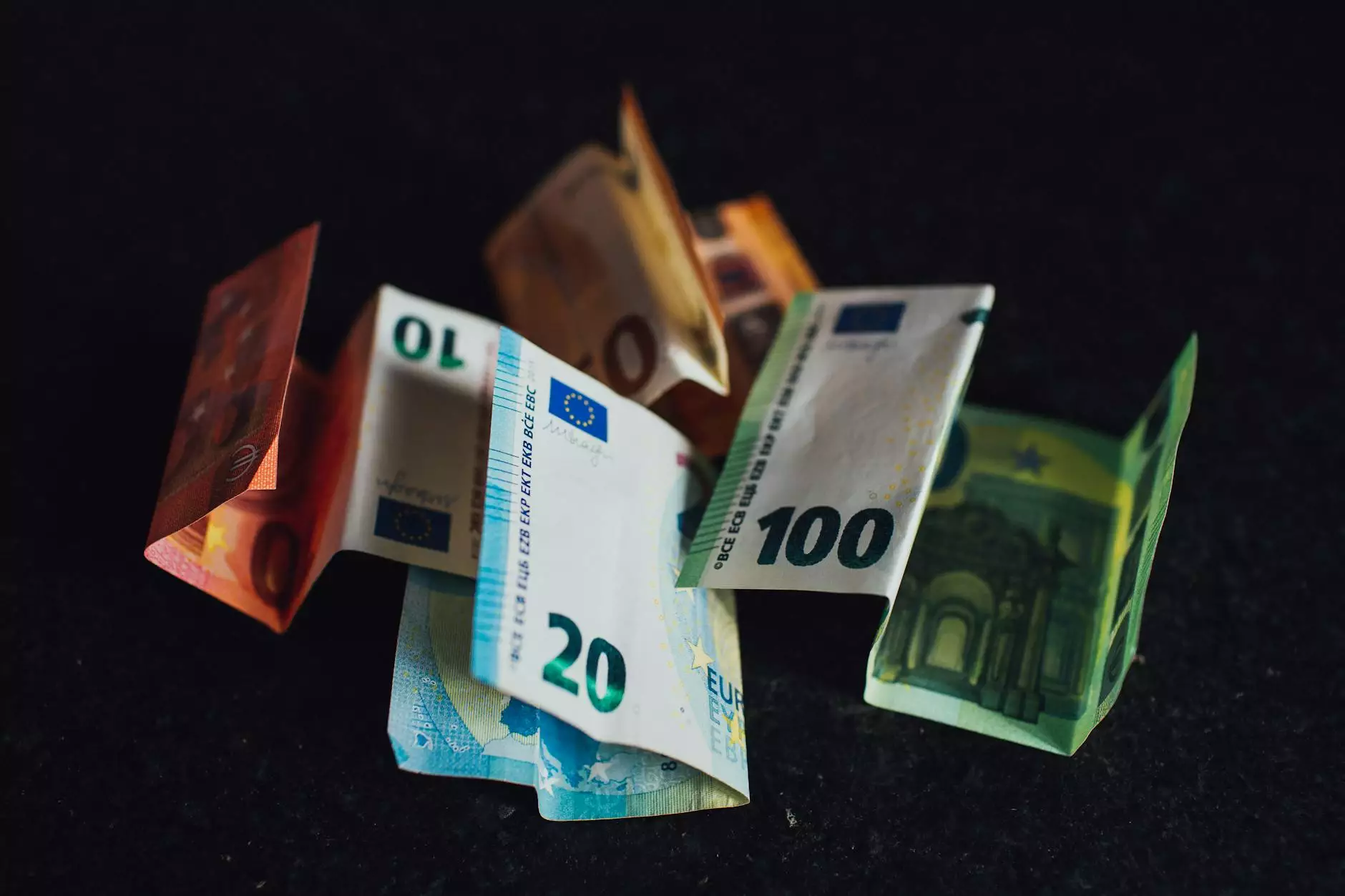
The Mexican Peso, represented by the symbol $ and the ISO code MXN, is the official currency of Mexico. As with many currencies around the world, the peso is more than just a medium of exchange; it embodies the economic vitality and financial strategies of the nation. This article will delve into the significance of peso bills in Mexico, their historical evolution, present-day implications, and the critical role they play in businesses, emphasizing particularly those involved in printing services.
Understanding Peso Bills: A Historical Overview
The history of peso bills in Mexico is deeply intertwined with the nation's culture and economic transitions. Originally issued during the colonial period, the peso has undergone numerous transformations in both form and function.
- Origin of the Peso: The word "peso" comes from the Spanish term for "weight". The first official peso coins were minted in the 16th century, based on the Spanish piece of eight (real).
- Introduction of Banknotes: By the 19th century, paper currency was introduced, allowing for more convenient transactions, especially in urban areas.
- The Evolution of Design: Over the years, peso bills have featured a range of prominent national figures and symbols, reflecting the country's heritage.
The Contemporary Peso Bills
Today's peso bills showcase vibrant designs that not only facilitate exchange but also educate users about Mexico's rich history and cultural diversity. Each denomination has unique features:
Denominations of Peso Bills
- 20 pesos: Depicts the famous artist Diego Rivera.
- 50 pesos: Celebrates the Mexican Revolution.
- 100 pesos: Honors the contributions of Frida Kahlo.
- 200 pesos: Features Nezahualcoyotl, an important ancient philosopher.
- 500 pesos: Showcases the muralist Siqueiros.
- 1000 pesos: Recognizes Cristóbal Colón, symbolizing the era of exploration.
Impact of Peso Bills on Business Operations
Understanding the peso bills in Mexico extends into recognizing their impact on daily business operations. The currency is not just a physical representation of value; it also influences how businesses interact with their customers and vendors.
Transaction Facilitation
For local businesses, especially small enterprises, the use of peso bills allows for seamless cash transactions. This is vital in regions where digital payment methods are less common. Cash remains a preferred method because:
- Immediate Exchange: Cash transactions are instantaneous and do not require any processing time.
- Privacy: Cash transactions offer a level of anonymity that digital transactions do not.
- Budget Control: Physical cash enables consumers to manage their spending better.
Cash Flow Management
Businesses, particularly in the printing services sector, must effectively manage their cash flows. The presence of peso bills aids in this process by simplifying income tracking:
- Physical Tracking: Cash receipts can be easily counted and recorded at the end of each day.
- Immediate Decisions: Business owners can make on-the-spot decisions based on available cash.
The Role of Printing Services in Peso Bills
The production of peso bills is not just a task of economic importance; it also involves cutting-edge printing technology and innovative design. Businesses that specialize in printing services contribute to the integrity and security of currency production in numerous ways.
Security Features in Printing
To combat counterfeiting, which poses significant threats to a nation's economy, peso bills are embedded with advanced security features, which printing services play a crucial role in:
- Watermarks: Visible when held up to light, enhancing anti-counterfeiting measures.
- Holographic Images: Provide dynamic visual elements that change appearance at different angles.
- Color-Shifting Ink: Ink that changes color when viewed from different angles.
Innovation in Printing Technology
Printing technologies continue to evolve, influencing how peso bills are produced and distributed:
- Digital Printing: Provides high-quality prints with reduced waste and faster turnaround times.
- Offset Printing: Ensures large volumes of currency can be produced efficiently and uniformly.
The Future of Peso Bills and Digital Payments
As we move further into the digital age, the role of peso bills in the Mexican economy may evolve significantly. The rise of digital payments and online transactions presents both challenges and opportunities for businesses involved in printing and currency.
The Shift Towards Digital Transactions
Many consumers are increasingly opting for digital payment methods, leading to a decrease in cash transactions. Businesses must adapt to these changes:
- Investment in Digital Infrastructure: Companies must ensure robust digital payment systems are in place to cater to a tech-savvy audience.
- Education on Digital Literacy: Training staff and consumers on the benefits and security of cashless payments.
Conclusion: The Ongoing Relevance of Peso Bills in the Business Landscape
In summary, peso bills in Mexico hold a wealth of significance that resonates throughout the business ecosystem. From historical roots to modern implications, their impact is evident in transaction methods, business operations, and the ongoing relationship with printing services.
As both a symbol of cultural identity and a tool for economic transactions, peso bills continue playing an indispensable role in the vibrant tapestry of Mexico's economy and society. For businesses to thrive, understanding this dynamic will be key to navigating both traditional and evolving market landscapes.
Explore More About Peso Bills in Mexico
For further insights into peso bills and how they influence various facets of business, visit idealcounterfeit.com. Engage with the printing services that ensure the security and efficiency of our monetary system, and stay informed about the future of cash and digital transactions in Mexico.
peso bills mexico