Effective Management of Stored Grain Pest: Protecting Your Investment
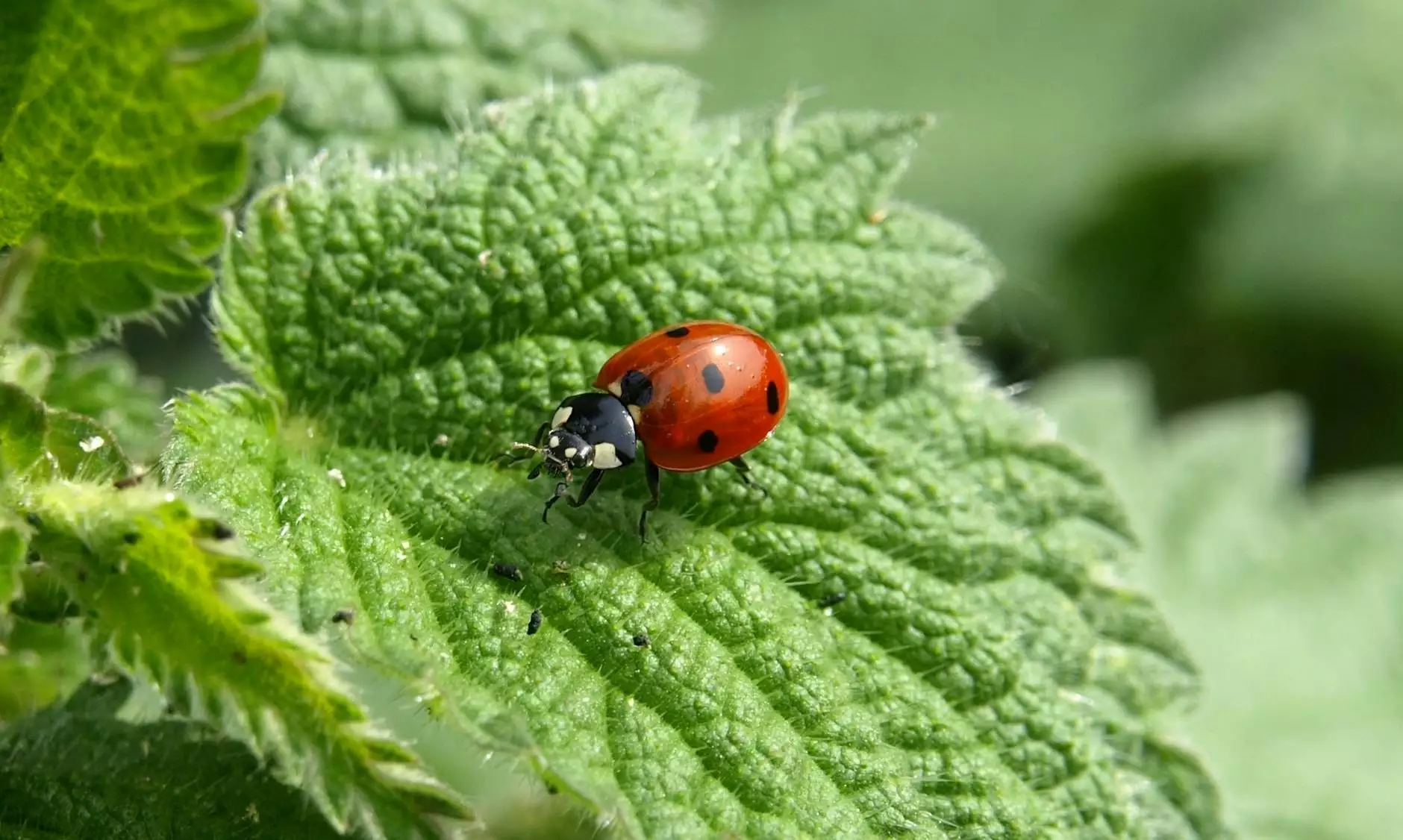
Stored grain often represents a significant investment for farmers and agricultural businesses alike. The importance of the management of stored grain pest cannot be overstated, as unchecked pests can lead to severe financial losses, spoilage, and a decline in product quality. In this article, we will delve into various effective strategies for the management of stored grain pests, ensuring your grain remains safe and profitable throughout its storage life.
Understanding Stored Grain Pests
Before we can effectively manage stored grain pests, it is imperative to understand what they are and how they can influence our stored products. Stored grain pests can be categorized into insects (such as beetles and weevils) and rodents. Each of these threats can cause unique challenges.
- Insect Pests: Common examples include grain weevils, rice weevils, and Indian meal moths. These insects can damage grain kernels and promote the growth of mold.
- Rodents: Rats and mice not only consume grain but can also contaminate it with feces, urine, and hair, requiring stringent management practices.
The Importance of Integrated Pest Management (IPM)
Integrated Pest Management (IPM) is one of the most effective approaches to maintaining control over stored grain pests. IPM combines various strategies to minimize pest damage while reducing reliance on chemical interventions. Here are the key components of an effective IPM plan:
1. Monitoring and Identification
The first step in IPM is the monitoring of grain storage facilities for signs of pest activity. Regular inspections allow for early detection, which is crucial in preventing a small problem from escalating into a major infestation.
2. Prevention
Preventative measures are vital. Grain should be cleaned thoroughly before storage, and facilities must be well-maintained to reduce pest access. Some effective prevention strategies include:
- Sealing cracks and crevices in storage facilities.
- Implementing good housekeeping practices to remove potential pest food sources.
- Regularly cleaning storage bins and surrounding areas.
3. Control Strategies
If pests are detected, timely intervention is necessary. Control strategies can include:
- Cultural Controls: Changing farming practices and crop rotations can significantly reduce pest populations.
- Mechanical Controls: Using traps or natural mesh to physically block pests can be very effective.
- Chemical Controls: Only as a last resort, utilize pesticides that are specifically labeled for stored grains. Always follow manufacturer guidelines to minimize harm to the facility and surrounding environment.
Pest-Specific Control Measures
Different pests may require unique management approaches. Let's examine some common stored grain pests and their control strategies:
1. Grain Weevils
Grain weevils thrive in stored grains and can reproduce rapidly. Control measures include:
- Regular inspections and traps to monitor populations.
- Use of diatomaceous earth to cut their exoskeletons.
- Maintaining low moisture levels in stored grain to inhibit reproduction.
2. Indian Meal Moths
Known for contaminating grains with webbing and larvae, Indian meal moths require strict sanitation protocols:
- Frequent cleaning of storage bins.
- Use of pheromone traps for population monitoring.
- Freezing infested grains for several days to kill eggs and larvae.
3. Rodent Control
Rodents pose a threat not only by feeding on grain but also by spreading disease. Effective management includes:
- Sealing all entry points around storage facilities to prevent access.
- Setting traps strategically along rodent pathways.
- Regularly inspecting for signs of activity, such as droppings or gnaw marks.
Importance of Proper Storage Conditions
Beyond pest management strategies, proper storage conditions are critical for grain preservation. Several factors must be controlled:
1. Moisture Control
Excess moisture is a catalyst for pest infestations and grain spoilage. It is essential to store grain at a moisture content of less than 13%. Regular monitoring with moisture meters can assist in maintaining adequate levels.
2. Temperature Management
Maintaining low temperatures in storage can curb the activity of pests. Consider the following:
- Utilize aeration systems to manage temperature.
- Store grain in cooler climates when possible.
- Regularly monitor grain temperature to detect any unnecessary rises that could indicate spoilage or pest activity.
3. Grain Quality Assessment
Regular grain quality assessments can help detect issues early. Assessments should include:
- Visual inspections for signs of spoilage.
- Checking for off-odors that indicate fermentation.
- Sampling grain to evaluate quality parameters such as test weight and protein content.
Utilizing Technology in Pest Management
Technology has transformed the way we approach the management of stored grain pests. Modern solutions include:
1. Smart Storage Solutions
IoT devices now allow farmers to monitor grain storage conditions in real-time, receiving alerts for changes in temperature or humidity that could invite pests.
2. Predictive Modeling
Analytical tools based on historical data can predict pest activity, allowing for proactive management before an infestation can occur.
3. Automated Ventilation Systems
Automated systems can control aeration and temperature, reducing manual intervention and consistently maintaining optimal conditions for grain storage.
Conclusion: The Ongoing Challenge of Pest Management
The management of stored grain pest is not a one-time task but rather an ongoing process that requires diligence, knowledge, and adaptability. By implementing comprehensive strategies, incorporating technology, and maintaining vigilance, farmers and grain handlers can effectively protect their investments.
As you engage with pest management, consider your grain storage from every angle—environment, sanitation, and proactive measures will contribute to a successful grain management practice. Always stay informed about emerging pests and trends in pest management, so your grain remains a secure and valuable asset.
For more resources on pest management strategies and grain storage solutions, visit our website at tsgcinc.com and explore our offerings in farm equipment repair and farming equipment.