Where to Buy a Turtle: A Comprehensive Guide
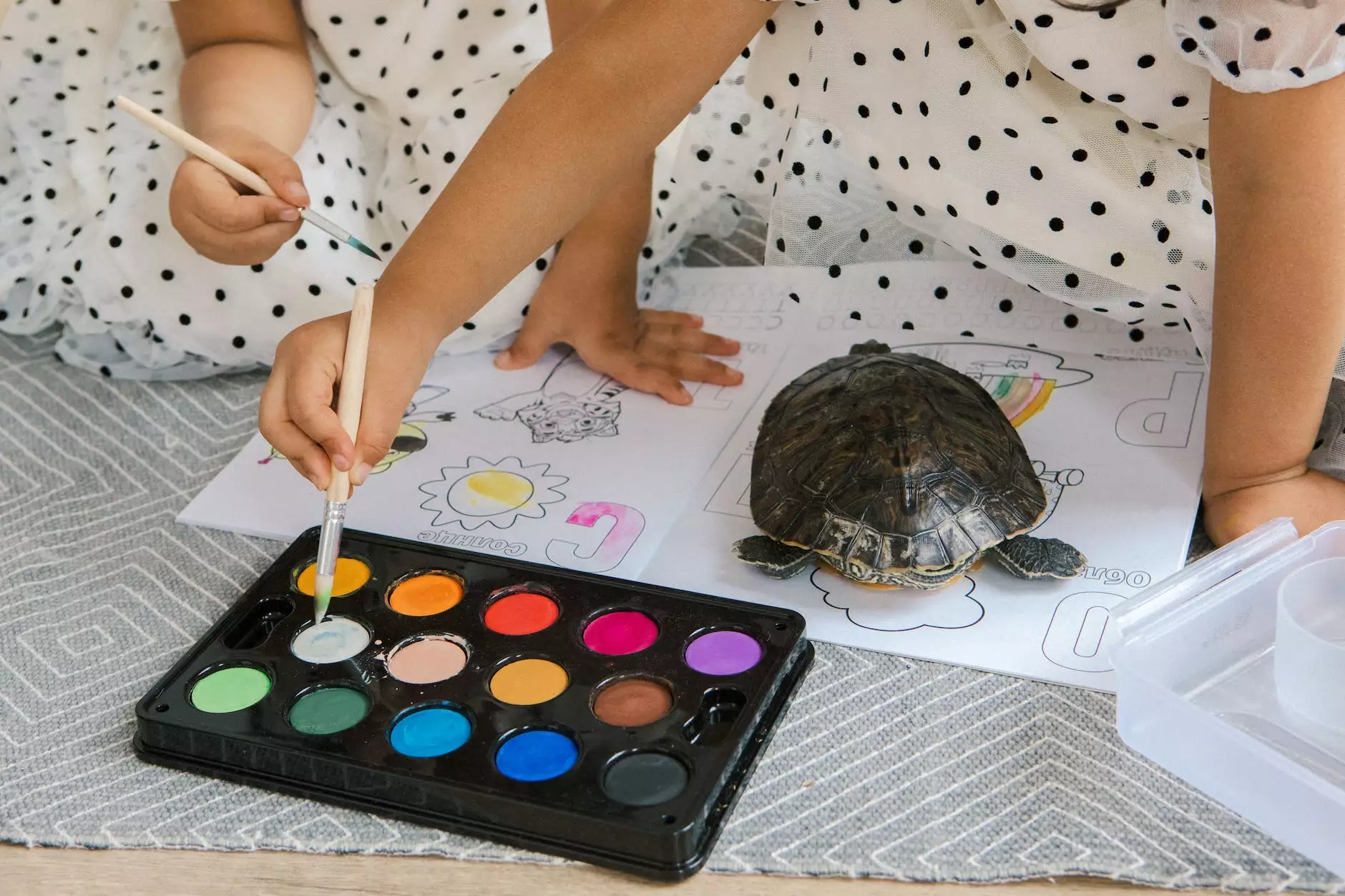
Finding the perfect pet can be a rewarding journey, and if you are considering turtles as your new companions, you are in for a treat! Turtles are not only fascinating creatures but also make for excellent pets that can thrive with proper care. In this article, we will explore where to buy a turtle, the types of turtles available, and vital information on how to care for them—ensuring you make the best decision for you and your future shelled friend.
Understanding Turtles as Pets
Turtles have been popular pets for centuries, admired for their unique behavior, longevity, and peaceful nature. Here are a few reasons why you might consider having a turtle:
- Low Maintenance: Turtles are relatively easy to care for compared to more demanding pets.
- Long Lifespan: Many turtle species live for several decades, so you can enjoy a long-term companion.
- No Allergens: Turtles are perfect for individuals with allergies to furred pets.
- Unique Personalities: Each turtle has its own character, providing you with a rewarding bond.
Types of Turtles Available
Before you dive into the options of where to buy a turtle, it's essential to know the different types of turtles that you might consider. Here are some popular species:
- Red-Eared Slider: One of the most common pet turtles, known for their distinctive red ear stripes.
- Painted Turtle: Recognized for their brightly colored shell and patterns.
- Box Turtle: A land turtle with a domed shell that can close its shell tightly as a defense mechanism.
- Snapping Turtle: A more aggressive species, ideal for experienced owners; they require specific handling and habitat conditions.
- Sulcata Tortoise: A terrestrial tortoise known for its massive size and gentle temperament but requires ample space.
Where to Buy a Turtle
Now that you are familiar with different turtle types, let's explore the best places to buy a turtle. Finding a healthy and ethically sourced turtle is crucial for ensuring a good start to your pet ownership experience.
1. Pet Shops
Many local pet shops carry a variety of turtles. Here are some tips to keep in mind when purchasing from a pet store:
- Research the Store: Look for pet shops with a good reputation and positive customer reviews.
- Check the Health of the Turtles: Make sure the turtles appear healthy—clear eyes, active movement, and clean shells are key indicators.
- Inquire About Care: Ask staff about the care and feeding of the turtles they sell, ensuring they are knowledgeable.
2. Reputable Breeders
Buying from a reputable breeder can provide you with healthy and well-cared-for turtles. Breeders often have a deeper knowledge of the species and can provide insights into their care.
- Ask for References: Check for reviews or testimonials from previous customers.
- Visit the Facility: If possible, visit the breeder's facility to see how they maintain the turtles.
- Ensure Ethical Practices: Confirm that the breeder does not engage in any harmful practices.
3. Turtle Rescue and Adoption Centers
Another compassionate option is to adopt a turtle from a rescue or adoption center. Many turtles end up in shelters as they grow larger, mismanaged, or neglected. Here’s why you should consider this option:
- Saving a Life: By adopting, you provide a loving home to a turtle in need.
- Lower Initial Costs: Adoption fees are often lower than purchasing from a breeder or pet shop.
- Support Local Organizations: Your adoption helps local shelters and the important work they do.
4. Online Platforms
In today's digital era, it’s also possible to find turtles for sale on various online platforms. However, caution is key. Here are some guidelines:
- Verify the Seller: Ensure the seller is reputable and follows ethical breeding practices.
- Check for Health Guarantees: Look for sellers who offer health guarantees and return policies.
- Review Shipping Practices: Understand how the turtle will be shipped to maintain its safety and health.
Essential Turtle Care Tips
Once you've acquired your turtle, proper care is crucial. Below are fundamental care tips to keep your pet healthy and happy:
Habitat Setup
The habitat is vital for a turtle's wellbeing. Here’s what to consider:
- Tank Size: Ensure the tank is large enough for your turtle. A minimum of 40 gallons is suggested for smaller species.
- Water Quality: Invest in a high-quality filter to keep the water clean, as turtles can be messy.
- Lighting: Use UVB lighting to help your turtle synthesize vitamin D3 and maintain good health.
- Substrate: Choose a substrate that is easy to clean and safe for your turtle.
Feeding Your Turtle
A proper diet is essential for a turtle's health. Here are feeding guidelines:
- Balanced Diet: Include a mix of commercial turtle pellets, vegetables, and occasional protein sources like insects or fish.
- Supplements: Consider calcium supplements to ensure strong shell health.
- Feeding Schedule: Young turtles need to be fed daily, while adults typically require feeding every other day.
Regular Veterinary Check-ups
Just like any other pet, turtles need routine health check-ups. Here’s why this is important:
- Preventive Care: Regular vet visits help identify potential health issues before they become severe.
- Vaccinations: Although turtles don’t require vaccines, a vet can advise on how to prevent common ailments.
Conclusion
Understanding where to buy a turtle is just the first step in your journey as a turtle owner. By exploring reputable sources like pet shops, breeders, adoption centers, or online platforms, you can find a healthy companion suited for you. Remember, the key to a happy turtle is proper care, an appropriately set-up habitat, and a balanced diet. Enjoy the rewarding experience that comes from caring for your unique, shelled friend!