Granary Weevil Control: Effective Strategies and Solutions
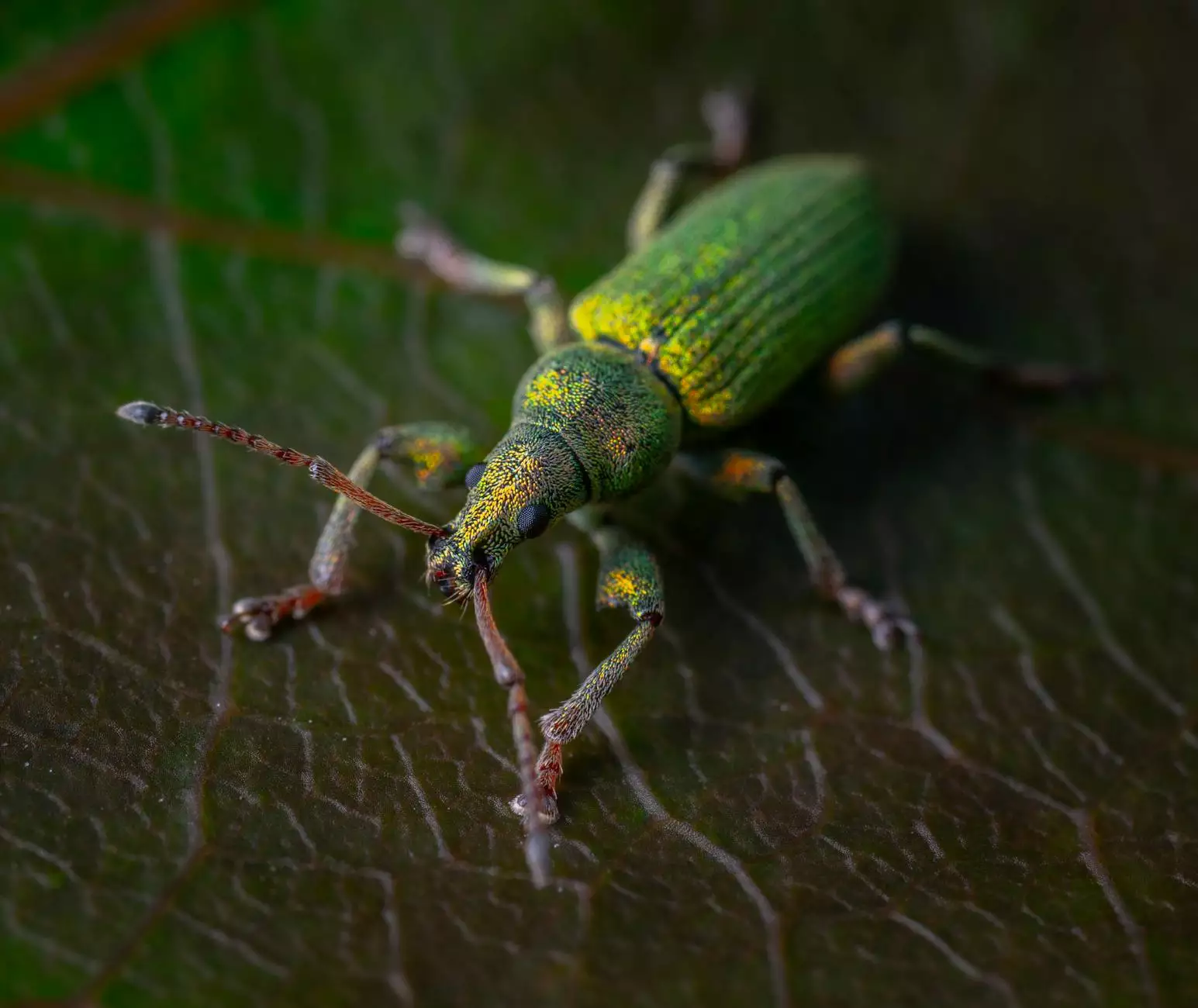
The granary weevil, a common pest found in stored grains, can pose a significant threat to agricultural efficiency and productivity. Understanding the intricacies of granary weevil control is crucial for farmers, grain handlers, and anyone involved in the grain supply chain. This article aims to provide an exhaustive look at granary weevil control, offering practical approaches to mitigate these pests and safeguard your stored grain.
Understanding the Granary Weevil
The granary weevil (Sitophilus granarius) is a small, brown beetle that is notorious for infesting stored grains such as wheat, barley, and oats. Adults are approximately 3-5 mm long and easily recognized by their long snouts. These pests not only damage the grains but also reduce their quality by introducing contamination and facilitating fungal growth.
Life Cycle of the Granary Weevil
Understanding the life cycle of the granary weevil is essential for effective granary weevil control. The life cycle includes four stages: egg, larva, pupa, and adult. Here’s a brief overview:
- Egg Stage: Female granary weevils lay eggs inside kernels of grain.
- Larval Stage: Hatching larvae burrow into the grain, feeding and developing.
- Pupal Stage: After feeding, larvae pupate within the grain kernel.
- Adult Stage: Adults emerge from the grain, ready to reproduce.
Signs of Infestation
Identifying an infestation early is vital for successful granary weevil control. Key signs to look for include:
- Holes in Grains: Adult weevils create holes in grain kernels for feeding.
- Powdery Residue: You may notice a fine powder around storage areas, indicating weevil feeding.
- Presence of Insects: Seeing live or dead granary weevils near your grain storage is a clear indication of an infestation.
Effective Granary Weevil Control Strategies
1. Preventive Measures
Prevention is the first line of defense in granary weevil control. Here are some steps you can take:
- Proper Storage: Ensure that grains are stored in airtight containers to deter weevil entry.
- Regular Inspections: Conduct frequent checks of stored grains for any signs of pests.
- Temperature Control: Keeping your grain storage area cool and dry can inhibit weevil growth.
2. Physical Removal
Physical methods can also play an important role in granary weevil control. These include:
- Vacuuming: Using a vacuum to remove visible weevils and damaged grains can be effective.
- Freezing: For minor infestations, placing infested grains in a freezer for at least a week can kill weevils at all life stages.
3. Chemical Control
In some cases, chemical treatments may be necessary. Here are some considerations:
- Insecticides: There are various insecticides available specifically for granary weevil control. Always follow the manufacturer’s instructions for safe use.
- Fumigation: For severe infestations, fumigation of the storage facility can eliminate weevils.
4. Biological Control
Exploring biological control methods can offer a sustainable approach to granary weevil control:
- Natural Predators: Introducing natural predators such as certain parasitoids can help control weevil populations.
- Entomopathogenic Nematodes: These microscopic roundworms can infect and kill granary weevils effectively.
Maintaining Equipment for Best Practices
Farm equipment plays a critical role in grain storage and transport. Regular maintenance is essential to prevent weevil infestations. Here are some tips for maintaining your equipment:
- Regular Cleaning: Clean farm equipment thoroughly after every use to remove any grain residue where weevils might breed.
- Seal Storage Areas: Ensure that storage areas are well-sealed against pests by checking for cracks and gaps in structures.
Preventative Upgrades to Farming Equipment
Investing in upgraded farming equipment can greatly assist in granary weevil control. Consider these updates:
- Improved Storage Solutions: Use modern, airtight storage solutions specifically designed to keep pests out.
- Advanced Monitoring Technologies: Sensors and monitoring equipment can alert you to potential infestations before they escalate.
The Role of Professional Services in Granary Weevil Control
For optimal results in granary weevil control, consider engaging professional pest control services. They offer expertise, powerful treatments, and ongoing monitoring. Here are key benefits:
- Expert Knowledge: Pest control professionals understand the biology and behavior of various pests.
- Targeted Treatments: They can develop customized treatment plans tailored to your specific situation.
Conclusion: The Importance of Granary Weevil Control
Granary weevils can significantly impact the quality and safety of stored grains, making granary weevil control an essential aspect of farming operations. By implementing a combination of preventive measures, physical removal, chemical and biological controls, and investing in modern farming equipment, you can effectively minimize the risk of infestations.
Maintaining vigilant hygiene practices and utilizing professional services will further enhance your ability to manage these pests. By taking a comprehensive approach to granary weevil control, you can protect your investment and ensure a successful harvest season.
For more information on effective granular weevil management practices, or to discuss farm equipment solutions, please visit us at tsgcinc.com.