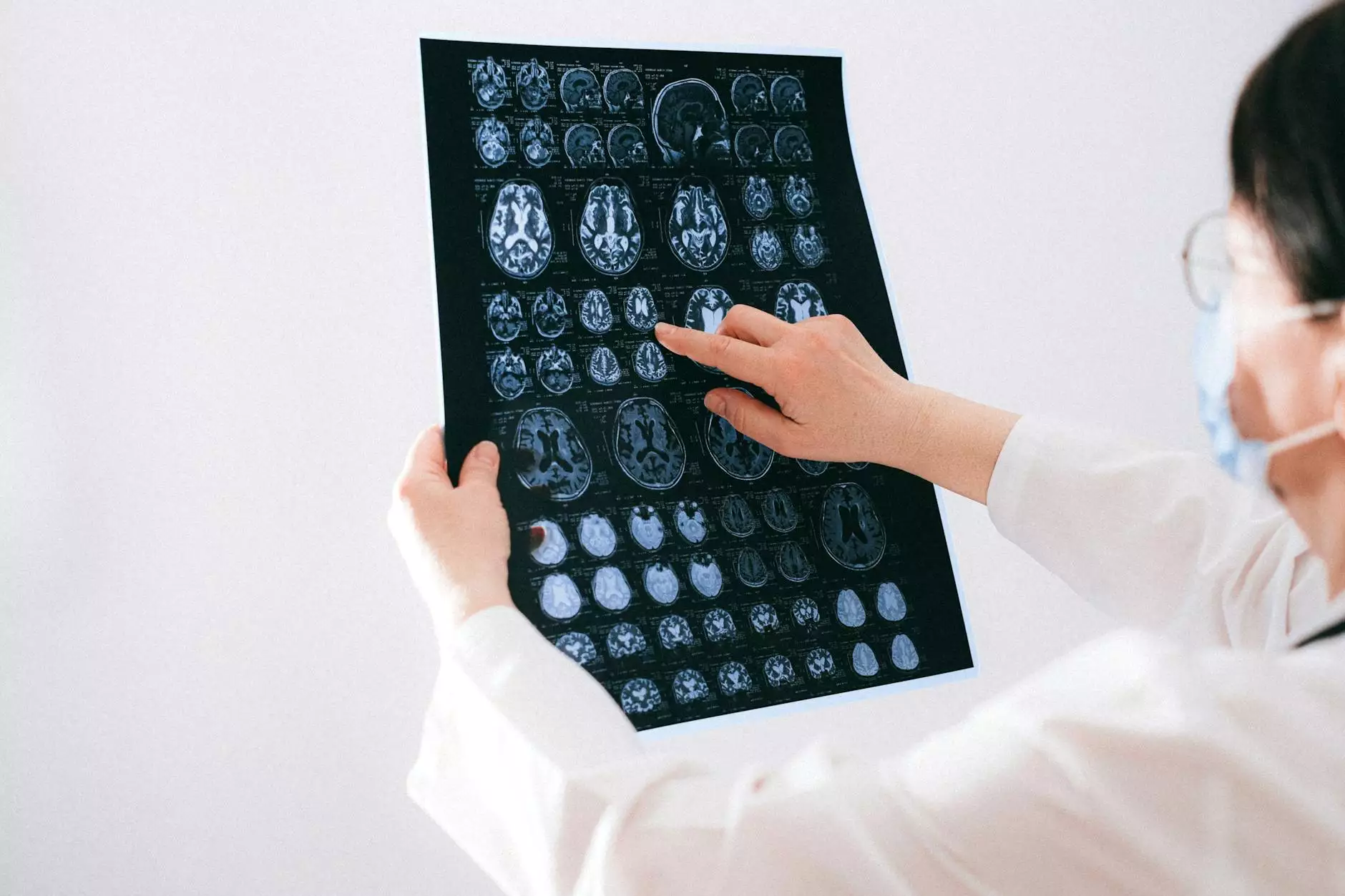
The Connection Between Neuroscience and Self: Insights from "I of the Vortex"
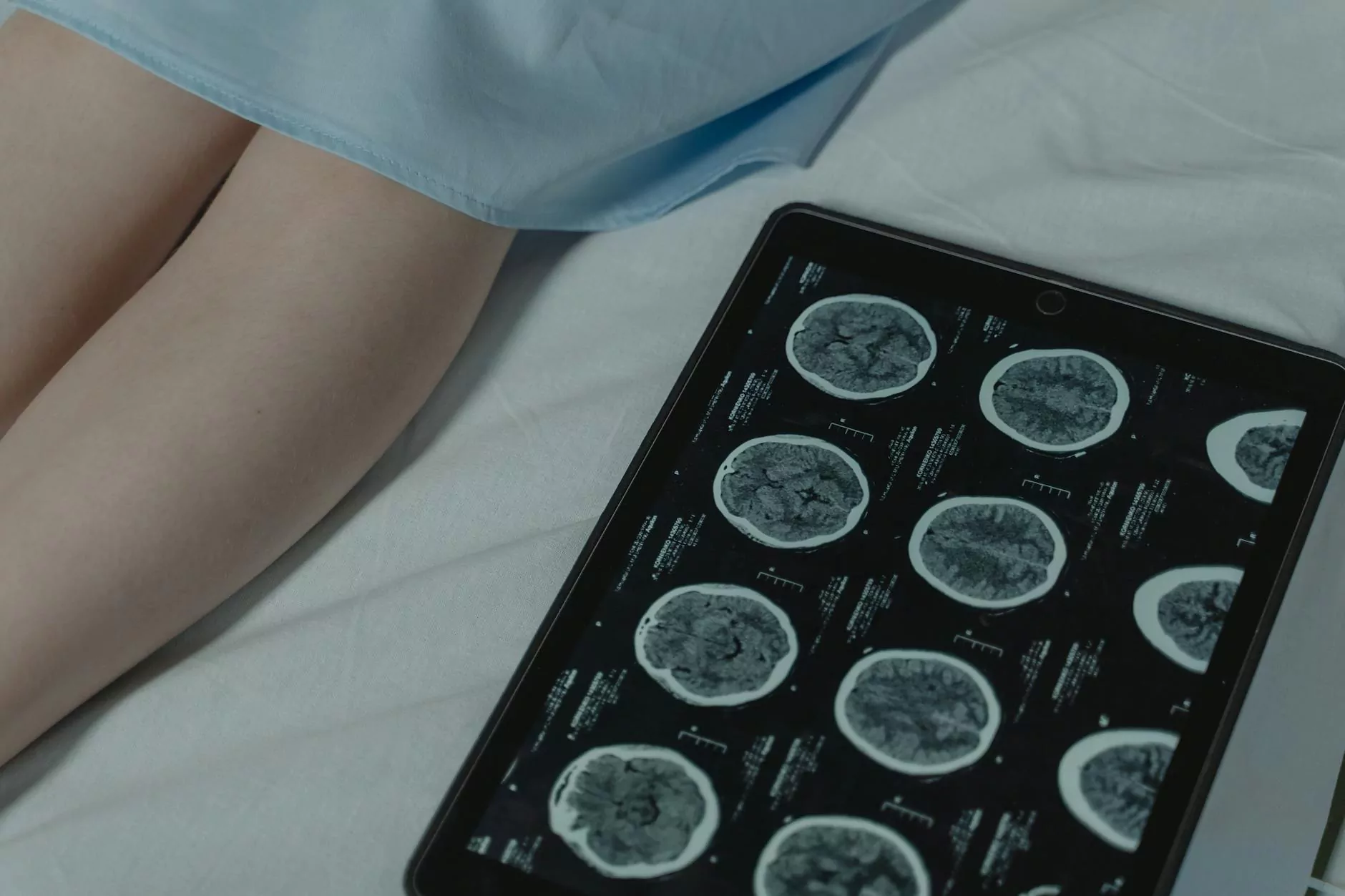
Understanding the relationship between brain functions and self-identity is a crucial aspect of both psychology and neuroscience. The work titled "I of the Vortex: From Neurons to Self" by the eminent neuroscientist Antonio Damasio explores this intricate relationship, suggesting that our understanding of self is deeply rooted in our biological makeup. In this article, we will delve into the profound insights presented in this text and their implications for the fields of health, medical practice, and counseling.
Overview of "I of the Vortex: From Neurons to Self"
Damasio’s work is a significant contribution to the understanding of how the brain's neurobiological processes shape our emotional experiences and self-perception. This text is particularly meaningful in bridging gaps between biology, psychology, and philosophy.
Neuroscience's Role in Mental Health
The intertwining of neuroscience and topics regarding the self and consciousness highlights the importance of understanding how brain functions influence our mental health. Damasio posits that our brain operates as a complex system where neurons communicate to produce our experiences, feelings, and ultimately our identity.
The Biological Basis of Self
A pivotal concept from "I of the Vortex" is the idea that our sense of self is not just a social construct but a biological one. Damasio discusses the role of the body and emotions in forming our identity. The key components include:
- Neuronal Activity: Neurons are the building blocks of the brain, operating as communicators. Their interactions shape our cognitive experiences.
- Emotions and Feelings: Emotion and feeling are intrinsic to the human experience, intertwining with our biology to shape how we perceive ourselves.
- Homeostasis: Damasio emphasizes the importance of biological balance for mental health, suggesting that disruptions can lead to identity crises or mental disorders.
Implications for Counseling and Therapeutic Practices
Understanding the biological underpinnings of behavior is essential for mental health professionals. By incorporating insights from Damasio’s work, counselors can adopt more holistic approaches.
Integrating Neuroscience into Counseling
Counselors who integrate neuroscience into their practices can achieve greater insight into their clients' experiences. Here are some approaches that stem from the ideas presented in "I of the Vortex":
- Empathetic Understanding: Recognizing the biological basis of clients' emotions can foster greater empathy and a deeper therapeutic alliance.
- Body Awareness: Practices such as mindfulness or body language interpretation can help clients become aware of their physiological responses and emotional states.
- Neuroscientific Literacy: Educating clients about how their brains work can empower them and enhance their self-regulation and awareness.
The Intersection of Science and Philosophy
Damasio’s work elegantly intersects science and philosophy. It invites mental health professionals to consider how philosophical inquiries into identity and consciousness can inform scientific understanding. Key philosophical questions include:
- What constitutes self-identity? Exploring various philosophical approaches can enrich clients' understanding of themselves.
- How do emotions influence rational thinking? Addressing the interplay between emotion and thought can enhance therapeutic practices.
- What are the implications of neuroscience on free will? Understanding the neurological basis for decision-making can facilitate discussions on accountability in therapy.
Challenges and Considerations
While the insights from "I of the Vortex" are profound, they also come with challenges for practitioners in health and counseling:
- Reductionism: There is a risk that reducing complex human experiences to mere biological processes can oversimplify the richness of our experiences.
- Ethical Considerations: Balancing scientific insights with compassionate care requires sensitivity to clients’ lived experiences.
- Training and Education: Mental health professionals may need specialized training to adequately incorporate neuroscientific insights into their practice.
Conclusion: Embracing a Comprehensive Perspective
In conclusion, the exploration of self-identity through the lens of neuroscience presents invaluable insights that can enhance mental health and counseling practices. "I of the Vortex: From Neurons to Self" offers a transformative perspective that encourages professionals to integrate biological and emotional understanding into their therapeutic approaches. The relationship between neurons, emotions, and the self is not just a scientific curiosity; it is a pathway to deeper understanding and healing for those seeking mental health support. By embracing the comprehensive insights from Damasio, psychologists and counselors can facilitate more effective, empathetic, and meaningful therapeutic experiences for their clients.
Call to Action
If you are a mental health professional or someone interested in the interplay between neuroscience and self-identity, consider exploring Damasio's work further. Engage in discussions, attend workshops, and be part of a growing community that values the integration of neuroscience, psychology, and philosophy in understanding the self.
i of the vortex from neurons to self pdf