Finding the **Best Painkiller for Toothache** in the UK
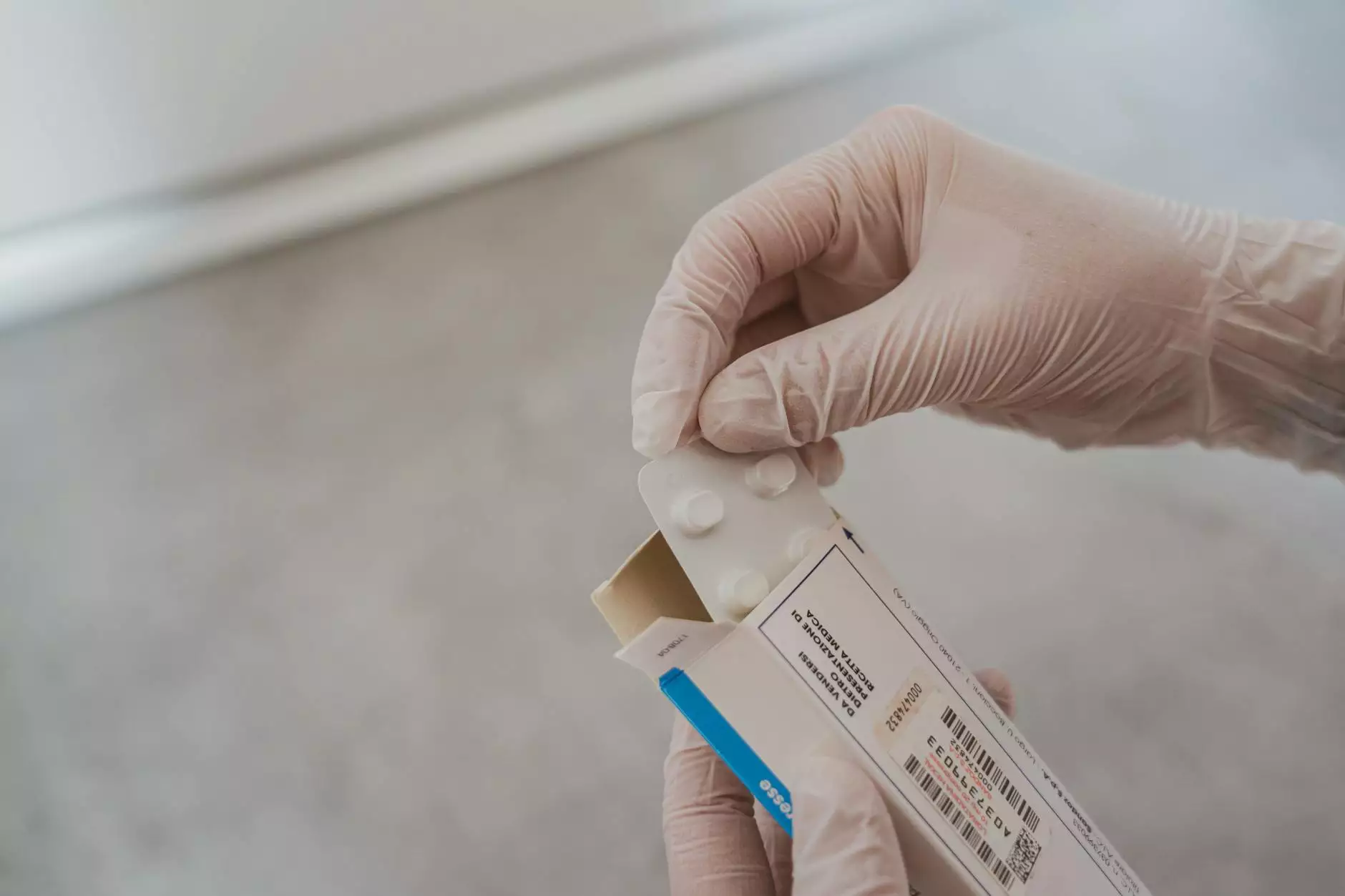
Dental pain is one of the most uncomfortable sensations one can experience, and when that pain strikes, knowing which effective remedies are available can significantly ease your distress. In this comprehensive guide, we’ll explore the best painkiller for toothache in the UK, along with various treatment options and tips for managing oral discomfort.
Understanding Toothache: What's Behind the Pain?
Toothache can be caused by various factors, including:
- Cavities: A common cause of tooth pain, cavities occur when tooth decay leads to a breakdown of enamel.
- Gum disease: Infections or inflammation of the gums can cause throbbing pain.
- Abscessed tooth: This occurs when the tooth's pulp becomes infected, leading to severe pain and swelling.
- Tooth fracture: A crack or chip in a tooth can expose sensitive areas, causing sharp pain.
Understanding the underlying cause of your toothache is essential for choosing the right pain relief method. If you're experiencing persistent dental pain, it's crucial to consult a dentist for an accurate diagnosis.
Top Painkillers for Toothache in the UK
When looking for effective relief, several over-the-counter (OTC) medications are known to be among the best painkillers for toothache in the UK. Here’s a detailed look at some of these options:
1. Ibuprofen
Ibuprofen is a nonsteroidal anti-inflammatory drug (NSAID) widely used for pain relief. It works by reducing inflammation and blocking pain signals in the brain. Here are some benefits:
- Effective in reducing both pain and swelling.
- Available in various forms, including tablets, capsules, and gels.
- Can be taken every 6 to 8 hours as needed.
2. Paracetamol
Another popular choice is paracetamol (also known as acetaminophen). While it may not reduce inflammation, it is widely used for its analgesic properties. Some key points include:
- Gentle on the stomach compared to NSAIDs.
- Recommended for those who cannot take NSAIDs due to stomach issues.
- Can be taken alongside ibuprofen for enhanced relief.
3. Aspirin
Aspirin is another well-known painkiller that can provide relief from toothache due to its anti-inflammatory and analgesic properties. It should be noted that:
- It should not be given to children under 16 due to the risk of Reye's syndrome.
- In some cases, it is recommended to be chewed for quicker relief.
- As with any medication, proper dosage is vital to prevent adverse effects.
4. Naproxen
Naproxen is another effective NSAID that provides long-lasting pain relief. Key aspects of naproxen include:
- Offers longer relief than ibuprofen, often lasting up to 12 hours.
- Can be taken twice daily.
- Has anti-inflammatory properties, making it suitable for inflammatory pain.
Natural Remedies for Toothache Relief
While OTC medications provide quick relief, some may prefer natural remedies. Here are some effective methods to alleviate tooth pain:
1. Clove Oil
Clove oil has been used for centuries to relieve tooth pain. It contains eugenol, a natural anesthetic that can numb the pain. Application tips include:
- Apply a few drops onto a cotton ball and press it against the painful area.
- Be cautious with the amount used as too much can irritate the gums.
2. Salt Water Rinse
A warm salt water rinse can help reduce inflammation and cleanse the affected area. Here’s how to do it:
- Dissolve 1 teaspoon of salt in a glass of warm water.
- Swish the solution around your mouth for 30 seconds before spitting it out.
3. Cold Compress
Applying a cold compress to the outside of your cheek can help relieve swelling and numb the pain. To use a cold compress:
- Wrap ice in a cloth and apply it to the affected area for 15-20 minutes.
- Repeat every few hours as needed.
When to Seek Professional Help
While home remedies and OTC medications can offer temporary relief, there are instances when seeking professional help is essential. Consider visiting a dentist if you experience any of the following symptoms:
- Persistent pain that lasts more than a couple of days.
- Swelling and redness in the gums.
- Fever or swollen lymph nodes.
- Severe pain that disrupts your daily activities.
Maintaining Good Oral Health
To minimize the risk of future toothaches and maintain a healthy smile, practice good oral hygiene. Here are some tips to consider:
- Brush regularly: Brush your teeth at least twice a day with fluoride toothpaste.
- Floss daily: Flossing removes plaque and debris between teeth where a toothbrush cannot reach.
- Regular dental visits: Schedule check-ups at least twice a year to catch issues early.
- Limit sugary foods and drinks: Reducing sugar can minimize the risk of cavities.
Conclusion: Your Best Painkiller for Toothache in the UK
Tooth pain can be debilitating, but with the right knowledge and treatments, you can find effective relief. Whether considering over-the-counter options like ibuprofen, paracetamol, or natural remedies like clove oil, it's essential to tailor your approach to your specific needs. Above all, maintaining good oral hygiene and seeking regular dental care will help you avoid dental issues in the long run. For more information, visit 92 Dental, your trusted source for all dental health concerns in the UK.
best painkiller for toothache uk