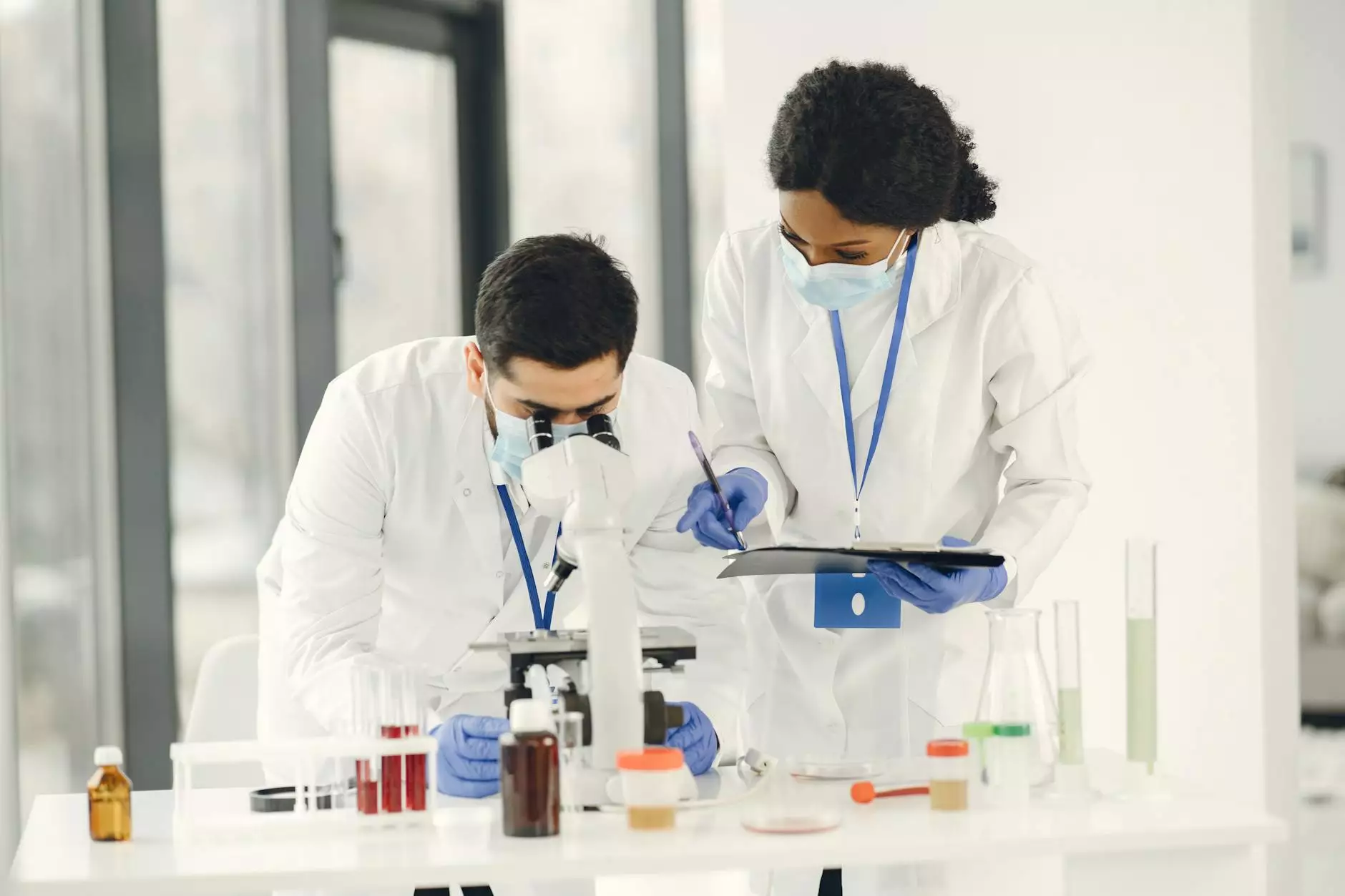
Comprehensive Guide to Water Treatment Equipment
Water treatment equipment plays a vital role in ensuring the safety and quality of our water supply. As urbanization and industrialization increase, the demand for clean and safe water is at an all-time high. This article delves into the various facets of water treatment equipment, highlighting its importance in water purification services, the role of water suppliers, and the significance of water stores.
The Importance of Water Treatment Equipment
Water treatment refers to the process of improving the quality of water to make it suitable for a specific end-use, including drinking, industrial water supply, irrigation, and other applications. The following are some key points that underline the significance of water treatment equipment:
- Health Benefits: Proper water treatment eliminates harmful contaminants, pathogens, and chemicals, reducing the risk of waterborne diseases.
- Environmental Protection: Effective treatment processes minimize pollution by treating industrial wastewater before it is released into natural water bodies.
- Enhanced Taste and Smell: Water treatment ensures that potable water is not only safe but also palatable, improving its taste and smell.
- Resource Conservation: Efficient water treatment technology can reduce the wastage of water, promoting sustainable use of water resources.
Types of Water Treatment Equipment
Various types of water treatment equipment cater to different needs and applications. Here are some of the most common types:
1. Filtration Systems
Filtration plays a critical role in the treatment process. This equipment removes particulate matter, sediments, and some unwanted chemical substances. Common filtration systems include:
- Sand Filters: Used widely for their effectiveness in removing larger particles.
- Activated Carbon Filters: Excellent for removing chlorine, bad odors, and taste.
- Reverse Osmosis Systems: Highly effective in removing dissolved solids, chemicals, and contaminants.
2. Chemical Treatment Systems
Chemical treatment systems employ various chemicals to aid in the disinfection and purification of water. Common applications include:
- Chlorination: The most common method for disinfecting water to kill pathogens.
- Coagulation and Flocculation: These processes help remove small particles and turbidity in the water.
- pH Adjustment: Necessary to ensure optimal conditions for other treatment processes.
3. UV Water Purifiers
UV water purifiers use ultraviolet light to disinfect water. The benefits of this technology include:
- Effectively neutralizes bacteria, viruses, and protozoa without the use of chemicals.
- Does not alter the taste or chemical composition of the water.
Choosing the Right Water Treatment Equipment
Selecting the appropriate water treatment equipment is critical for ensuring effective purification. Here are some essential factors to consider:
- Water Quality: Conduct water testing to understand the specific contaminants present.
- End-Use: Identify what the water will be used for; drinking, industrial applications, or irrigation.
- Flow Rate Requirements: Assess how much water needs treatment per day to choose a system capable of handling those volumes.
- Maintenance Needs: Consider the maintenance requirements and associated costs when selecting equipment.
Market Overview: Water Suppliers and Water Stores
The market for water treatment equipment is thriving, with numerous water suppliers and water stores providing a range of products and services to meet the growing demands for clean water. Here’s how these businesses operate:
Roles of Water Suppliers
Water suppliers play an essential role by:
- Providing high-quality sources of water, whether through direct supply or treatment services.
- Offering customized water treatment solutions based on specific needs.
- Ensuring compliance with health regulations and environmental standards.
Functions of Water Stores
Water stores serve as retail outlets that sell bottled water and treatment equipment directly to consumers. Their functions include:
- Providing a broad range of purification products, including filters, purifiers, and bottled water.
- Educating customers about water quality and the options available for treatment.
- Offering maintenance and servicing options for equipment purchased.
Frequently Asked Questions about Water Treatment Equipment
What is water treatment equipment?
Water treatment equipment refers to the various systems and devices used to treat and purify water for different uses, including drinking, industrial applications, and irrigation. This equipment can include filtration systems, chemical treatment tanks, and UV purifiers, among others.
How do I know which water treatment system to choose?
Choosing the right system depends on factors like the quality of your water, the intended use, flow rate requirements, and maintenance considerations. It’s beneficial to conduct a comprehensive water analysis and consult with professionals.
Conclusion
In conclusion, water treatment equipment is indispensable in maintaining the health and safety of water supplies in today’s world. Understanding the types of equipment available, their functionalities, and their importance not only aids businesses like bimakskimya.com.tr's water suppliers and stores but empowers individuals and communities to make informed decisions about their water needs. With continual advancements in technology, the future of water treatment equipment promises to further enhance our access to clean and safe water.
Investing in top-notch water treatment equipment is not just a business decision; it is a commitment to public health, environmental integrity, and sustainable resource management. Embrace the journey toward cleaner water today!