Understanding Air Freight Costs Per Kg: A Comprehensive Guide
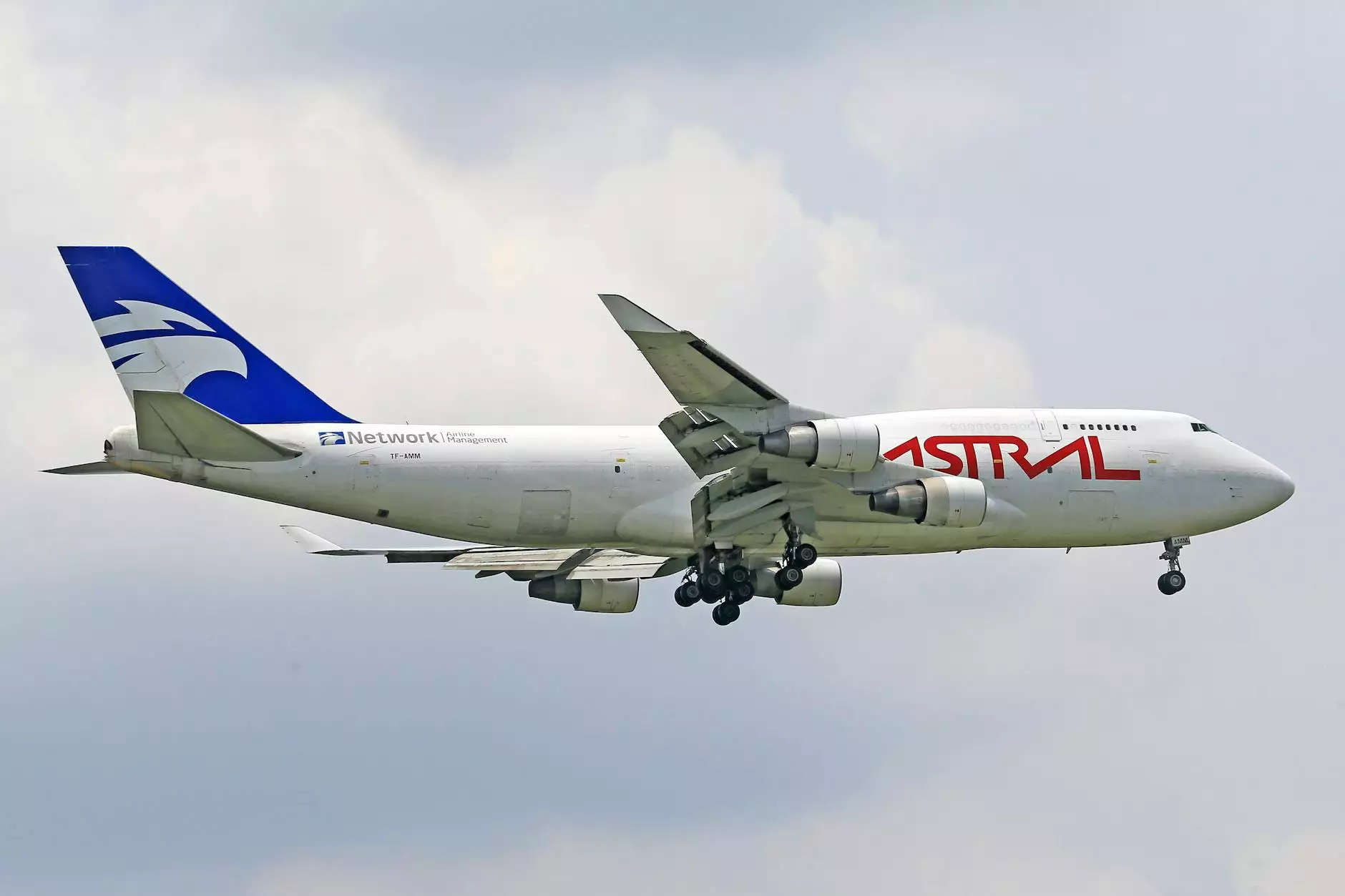
In the ever-evolving world of shipping and logistics, businesses are constantly searching for ways to optimize their costs. One significant facet of international shipping is the air freight costs per kg. Understanding these costs is crucial for making informed decisions that can enhance the efficiency and profitability of your logistics operations.
What Is Air Freight?
Air freight refers to the transporting of goods via airplanes. This method of shipping is favored for its speed, reliability, and efficiency, making it a popular choice for time-sensitive deliveries. With the rise of e-commerce and global trade, understanding air freight costs per kg is essential for businesses involved in the transportation of goods across borders.
Why Choose Air Freight?
Choosing air freight offers numerous advantages:
- Speed: Air freight is the fastest method of shipping goods, commonly reducing transit times to mere days, compared to weeks for sea freight.
- Reliability: Airlines operate on strict schedules, making it easier to predict arrival times.
- Global Reach: Air freight allows access to remote areas and international markets that might otherwise be difficult to reach.
- Lower Inventory Costs: Faster shipping means businesses can reduce inventory holding costs by replenishing stock more dynamically.
Breaking Down Air Freight Costs Per Kg
When it comes to calculating air freight costs per kg, several factors come into play. Understanding these factors can help businesses manage and even negotiate their shipping costs effectively.
Factors Influencing Air Freight Costs
Several elements influence the air freight costs per kg, including but not limited to:
- Distance: The distance between the origin and destination significantly affects costs. Longer routes typically incur higher charges.
- Weight and Volume: Air freight costs are often determined by either the actual weight or the dimensional weight, depending on which is greater.
- Type of Goods: Special handling requirements for certain goods (e.g., perishables, fragile items, hazardous materials) can influence costs. Different goods may require different shipping conditions, thus impacting pricing.
- Seasonality: Peak shipping seasons, like the holiday period, can lead to increased prices due to high demand.
- Fuel Costs: Fluctuations in fuel prices directly impact shipping rates. Shipping companies regularly update their pricing to reflect these changes.
- Service Level: The type of service you choose, such as express or standard shipping, also affects the overall cost.
- Insurance: Optional insurance for your cargo can add to the total shipping expenses, depending on the value of the goods being shipped.
Air Freight Pricing Structures
Understanding the pricing structures related to air freight costs per kg is essential for companies looking to optimize their logistics budget. There are primarily two pricing methods:
1. Chargeable Weight
Chargeable weight is a concept used in air freight that determines the cost basis for shipping. It is determined by comparing the actual weight of the cargo with its volumetric (dimensional) weight, and the greater of the two is used for pricing. The formula for calculating volumetric weight is:
Volumetric Weight (kg) = (Length x Width x Height in cm) / 5000
2. Fixed Rates
Some shipping companies offer fixed rates for air freight services. These rates are based on a predetermined cost per kilogram for specific routes and services, making it easier for businesses to budget accurately.
How to Reduce Air Freight Costs
While air freight is generally more expensive than ground or sea transportation, there are several strategies businesses can implement to reduce air freight costs:
- Optimize Packaging: Use efficient packaging designs that minimize weight and volume.
- Consolidate Shipments: Combine multiple shipments into a single load to take advantage of lower rates.
- Negotiate Rates: Develop relationships with freight forwarders and carriers to negotiate better rates and terms.
- Choose Off-Peak Departure Times: Air freight rates can fluctuate based on demand; consider scheduling shipments during off-peak times.
- Utilize Freight Forwarders: Working with freight forwarders can provide access to reduced rates due to their volume shipping capabilities.
The Future of Air Freight
As global trade continues to expand, the air freight industry is poised for significant growth. Technological advancements, increased e-commerce demand, and improved logistics practices will ensure that air freight remains a critical component of international shipping.
Moreover, with the introduction of innovations such as drone delivery services and enhanced tracking systems, businesses can expect air freight costs per kg to become more competitive and data-driven in the coming years.
Conclusion
In conclusion, comprehending air freight costs per kg is vital for companies involved in international shipping. By understanding the various factors that influence these costs and implementing strategies to reduce them, businesses can optimize their logistics operations and enhance profitability. As the air freight industry evolves, staying informed and adaptable will be key to remaining competitive in the global marketplace.
For more insights and updates on air freight and shipping logistics, visit our business website at cargobooking.aero.