Mastering Business Growth in Air Cargo: A Deep Dive into Air Cargo Charges and Logistics Excellence
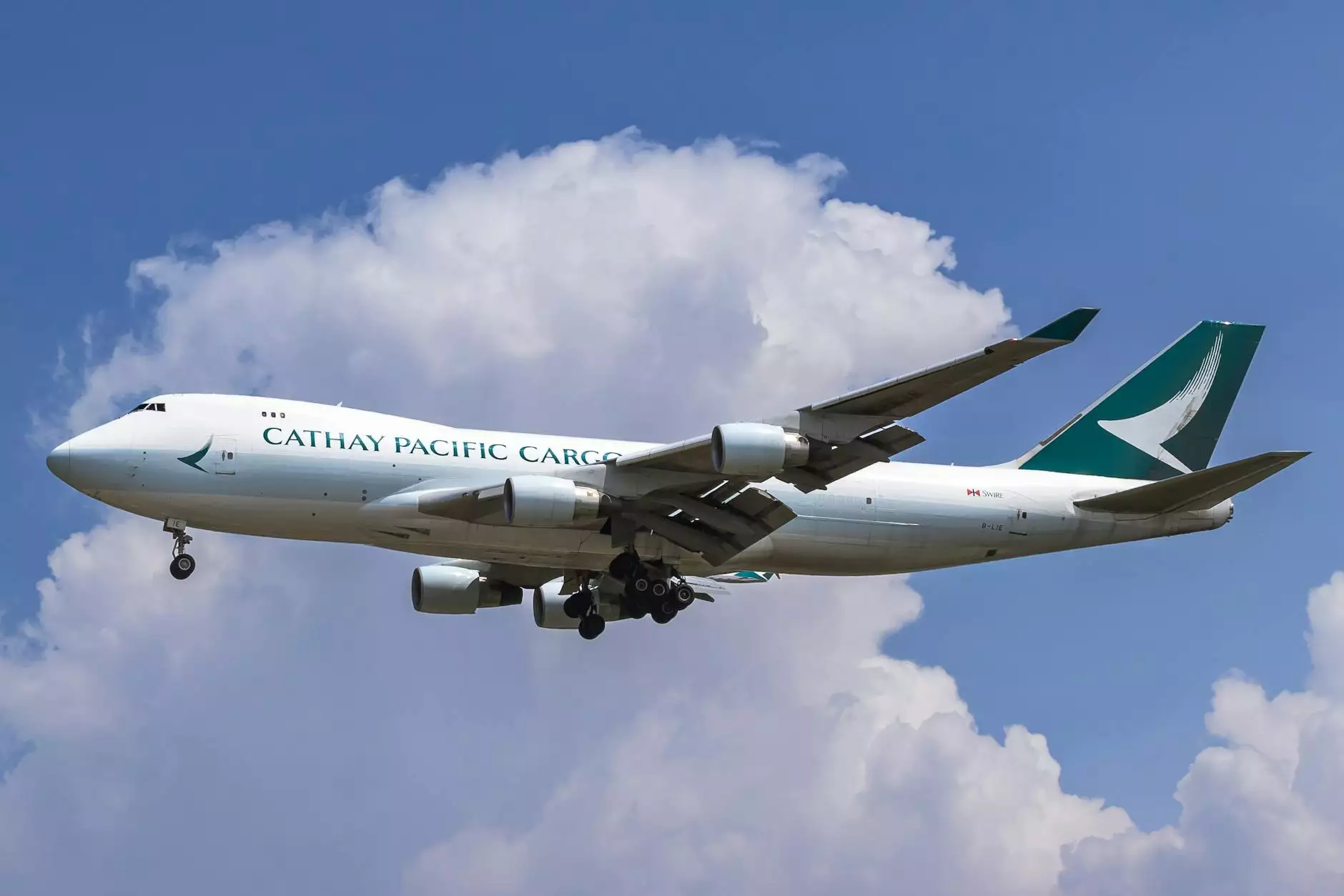
In the dynamic realm of global logistics, air cargo remains a vital component for businesses aiming for rapid, reliable, and efficient transportation of goods across borders. Understanding the mechanics of air cargo charges is crucial for companies looking to optimize their shipping costs, streamline operations, and gain competitive advantage in international trade.
Understanding the Fundamentals of Air Cargo Business
At its core, the air cargo business offers unparalleled speed and efficiency, connecting manufacturers, suppliers, and consumers worldwide. The sector encompasses a network of airports, shipping centers, and transportation providers that work cohesively to facilitate the seamless movement of goods. This interconnected system relies heavily on meticulous logistics planning and precise cost management, especially concerning air cargo charges.
The Role of Shipping Centers, Transportation, and Airports in Business Success
The foundation of a thriving air cargo operation consists of three key pillars:
- Shipping Centers: These hubs serve as pivotal points for consolidating and dispatching shipments, offering streamlined handling and storage solutions.
- Transportation: Dedicated logistics providers and freight companies ensure timely movement of cargo from shipping centers to airports and vice versa.
- Airports: The gateways for international air cargo, airports facilitate customs clearance, security checks, and final delivery of goods to the end customer.
Integrating these elements effectively creates a resilient supply chain that minimizes delays and reduces costs, directly impacting air cargo charges and overall business profitability.
Deciphering the Components of Air Cargo Charges
Understanding the intricacies of air cargo charges is essential for businesses aiming to optimize their logistics budgets. These charges are composed of multiple components, each influencing the total cost of shipping goods via air. Here are the primary elements:
Basic Air Cargo Rates
The fundamental factor that determines the bulk of your air cargo charges is the weight and volume of the shipment. Airlines usually charge based on either the gross weight or volumetric weight, whichever is higher. This calculation ensures fair pricing reflective of space and weight occupied.
Fuel Surcharges
Fuel costs are inherently volatile, and airlines often include these surcharges to offset fluctuations in fuel prices. This component can significantly impact the overall air cargo charges, especially during periods of high fuel prices.
Security Fees
Enhanced security protocols at airports and within the supply chain add an additional layer of costs, represented as security fees. These are vital for maintaining safety standards but also influence shipping expenses.
Customs Duties and Taxes
International shipments are subject to customs regulations and tariffs of the destination country. Properly calculated air cargo charges should include these fees to avoid unexpected costs upon arrival.
Additional Service Fees
Extra services like urgent delivery, special handling, temperature-sensitive cargo, or packaging can incur supplementary charges, influencing the final air cargo charges. Precise planning helps in minimizing unnecessary expenditures.
Strategies to Optimize Air Cargo Charges in Business Operations
Cost management in air cargo is essential for maintaining competitive pricing and maximizing profit margins. Here are advanced strategies to minimize air cargo charges:
- Consolidate Shipments: Combining smaller loads into larger shipments reduces per-unit costs, leveraging economies of scale.
- Negotiate Contracts: Establish strategic partnerships with freight forwarders and airlines to secure better rates based on volume commitments.
- Use Dimensional Pricing: Accurately measure volumetric weight to avoid overpaying for space that isn’t utilized efficiently.
- Opt for the Correct Service Level: Choose between express, standard, or economy options based on urgency, balancing time and cost effectively.
- Streamline Customs Processes: Pre-arranging customs documentation and leveraging advanced clearance techniques can reduce delays and additional charges.
- Regular Cost Audits: Conduct periodic reviews of freight invoices to identify discrepancies or overcharges, ensuring transparency and cost accuracy.
The Impact of Technological Advancements on Air Cargo Costs
Recent innovations in logistics technology play a transformative role in managing air cargo charges efficiently:
- Automation and Digital Platforms: Platforms like cargobooking.aero enable businesses to compare rates, track shipments, and manage documentation seamlessly, leading to cost savings.
- Real-Time Tracking: Enhanced visibility reduces delays and helps optimize routing, thus controlling costs associated with unforeseen issues.
- Data Analytics: Advanced analytics facilitate predictive modeling for demand forecasting, capacity planning, and cost optimization.
Regulations and Policies Influencing Air Cargo Charges
Adherence to international regulations and policies is vital in avoiding penalties and unexpected costs that inflate air cargo charges:
- IATA Regulations: The International Air Transport Association sets standards that impact pricing, safety, and security fees.
- Customs Compliance: Meeting the import/export regulations of your target markets reduces delays and additional charges.
- Trade Agreements: Leveraging free trade agreements can reduce tariffs and contribute to lower overall *air cargo* costs.
Emerging Trends Shaping the Future of Air Cargo Business
The air cargo industry is evolving rapidly, driven by technological innovation, environmental considerations, and shifting global trade patterns:
- Green Logistics: Adoption of sustainable practices and eco-friendly aircraft is reducing environmental impact and potentially shaping cost structures.
- Blockchain Adoption: Implementing blockchain technology enhances transparency and streamlines transactions, leading to potential cost reductions.
- Urban Air Cargo Solutions: Development of drone delivery and urban air mobility offers quicker and more cost-effective solutions for last-mile delivery.
- Enhanced Security Protocols: While increasing safety, advanced security measures may initially raise costs but lead to safer, more predictable logistics operations.
How cargobooking.aero Supports Your Business in Managing Air Cargo Charges
As a comprehensive platform, cargobooking.aero offers unparalleled tools and resources to navigate the complexities of air cargo charges:
- Rate Comparison: Access multiple quotes from leading airlines and freight forwarders, ensuring the best rates for your shipping needs.
- Real-Time Tracking: Monitor your shipments live, adjusting plans proactively to avoid costly delays.
- Advanced Analytics: Gain insights into cost trends, helping you make informed decisions that lower air cargo charges over time.
- Seamless Booking: Simplify the booking process, reducing administrative costs and correcting pricing issues before they escalate.
Conclusion: Embrace Efficiency and Cost Optimization in Your Air Cargo Business
In today’s competitive global marketplace, understanding and managing air cargo charges is more critical than ever. By mastering the components of shipping costs, adopting innovative technology, and partnering with trusted platforms like cargobooking.aero, your business can achieve greater efficiency, cost savings, and customer satisfaction. Prioritize proactive logistics planning, stay informed about industry trends, and leverage strategic relationships to remain ahead in the evolving world of air cargo transport.
Investing in knowledge and technology paves the way for a resilient, scalable, and profitable air cargo enterprise—driving growth and success in international trade.
air cargo charges